From Azerbaijan To India, Spring Festival Norouz Begins

By Abbas Djavadi, Bruce Pannier

Across much of the non-Arab Muslim world, people are celebrating Norouz, the festival that marks the arrival of spring and the beginning of the new year.

The pre-Islamic holiday with roots in the Zoroastrian religion of ancient Persia — perhaps the world’s first monotheistic faith — is observed in Iran, Central Asia, Afghanistan, Azerbaijan, parts of India, and among the Kurds.

Norouz, which means “new day” in Persian, falls on March 20 this year, a day before the vernal equinox when the new year begins.

In the United States, several states are considering making it a holiday, and there have been proposals at the United Nations to mark the festival internationally.

Norouz traditionally celebrates the awakening of nature, life’s renewal, and the triumph of good and light over the darkness of winter. The new year is marked when the sun leaves the astrological sign of Pisces and enters Aries.

The spring festival is believed to have been first recognized and named Norouz by the mythical Persian emperor Jamshid. Others credit the Achaemenian dynasty of the 12th century B.C. for institutionalizing Norouz.

Throughout the history of Iran, the spirit and significance of the holiday has often made Norouz a target for foreign invaders and anti-nationalist forces. Alexander the Great and the Arab conquerors a thousand years later tried to eliminate the holiday.

The Soviet Union banned it in Central Asia and Azerbaijan, considering it a nationalist or Islamic holiday.

The celebration was also banned in Kurdish regions of Turkey, although for the last few years Turkish officials have allowed some festivities to take place.

The Taliban banned Norouz in Afghanistan before they were overthrown in 2001.

Even in Iran, the birthplace of the tradition, some conservatives favored banning Norouz just after the 1979 Islamic Revolution. But public opposition was strong and the ban proved impossible to enforce.

Indeed, none of these invaders or governments could stop the celebrations of Norouz completely, as many people chose to mark the holiday in secret or claimed they were celebrating a birthday or other occasion. This was especially true in Central Asia when the region was part of the Soviet Union.

Among the rituals associated with the Norouz celebration is the bonfire –called Chahar Shanbeh Soori — held on the last Wednesday before the holiday. Thanks are given for the good fortune of making it through another winter. To purge oneself of any remaining “paleness” or evil, families lay down piles of wood and brush, igniting them shortly after sunset, and run alongside the fires, occasionally jumping over the flames.

Celebrants then sing to the fire to take away the “paleness” or evil and give “redness” or health to those singing. This practice has clear links to the following of Zoroaster in the seventh century B.C., as Zoroastrians were and still are known for honoring fire.

Vestiges of the bonfire ritual can be found in modern-day celebrations, such as Kyrgyz weddings, in countries that observe Norouz.

Another tradition is the Seven Symbols (Haft Seen), objects that each represent a wish or theme and begin with the Farsi letter “S” (Seen). These objects are usually displayed on a table a couple of weeks before Norouz, much the same way families of some Christian cultures put up a Christmas tree.

The seven objects — a Persian sweet (Samanu), a coin (Sekeh), green vegetables (Sabzee), a hyacinth flower (Sonbol), garlic (Seer), a dried fruit (Senjed), and vinegar (Serekh) — symbolize truth, justice, good thoughts and deeds, prosperity, virtue, immortality, and generosity. These are what Zoroaster offered to his deity, Ahura Mazda, on seven trays.

Thirteen days after Norouz, families go outdoors to eat, play games, and celebrate. This tradition, called Sezdah bedar, is intended to “dodge the bad number.” The idea of avoiding the number thirteen is meant to extend to avoiding all evil throughout the year, and provides families with a reason to spend a carefree day together.

There is also a tradition, mainly in Iran, of cleaning everything in the house before Norouz, which may even play a role in the origins of the “spring cleaning” practiced by many American households.

[Reissued from March 20, 2009]

(Originally posted on RFE/RL’s website, Parsi Khabar)
ادامه خواندن

Threatening Ethnic Conflicts in Iraq, Turkey, Iran

(Reprinted from June 25, 2009. Not much has changed meanwhile that would prove the general approach of this analysis wrong. Maybe on the contrary: the US troops’ withdrawal seems even to have strongly confirmed concerns of a disintegration or at least internal ethnic conflict in Iraq threatening to spread to neighboring Turkey and Iran).

By Abbas Djavadi – Occasionally, I have heated discussions with my Turkish and Kurdish friends. Most of those from Iraq’s Kurdistan region, emboldened by the region’s semi-independence from Baghdad and its current relative stability, warn that it would declare independence if things fall apart in Iraq.

At this juncture, we have serious disagreements over whether the resulting small, landlocked country encircled by hostile neighbors (Arab Iraq, Iran, and Turkey) would be viable.

Even a “Greater Kurdistan,” although seemingly an impossible project that would lead to decades of bloodshed and destruction, would not drastically change the geostrategic environment of that new independent state.

The Turks are certainly very strongly opposed to any manifestations of separatism and, no doubt, Turkey’s strong and popular army would do its utmost to suppress any independent Kurdish state proclaimed on Turkish territory. Its reaction would be much harsher than the current efforts to contain the PKK.

The International Crisis Group recently published a report titled “Turkey and Iraqi Kurds: Conflict or Cooperation?” which I strongly recommend to all those with an interest in this region.

ادامه خواندن

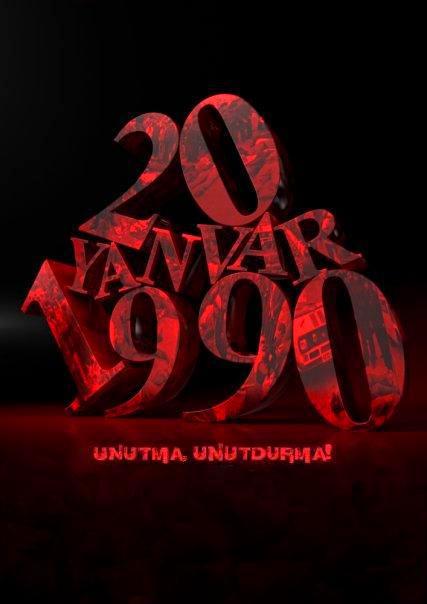
Xatire: 20 Yanvar 1990

Abbas Cjavadi – 20 janviye (Bakı’da dedikleri kimi 20 yanvar) 1990 günü başlamamışdan 3-4 saat qabaq menim teyyarem Mosko’ya getmeliydi. İki ay ondan qabaq aldığım bilet ele idi, yoxsa elbette men bilmirdim 20 janviyede ne olacaq.

Axşam çağı Xalq Cebhesi’nin uşaqları gelib dediler ki, bir az tez ol. “Deyirler rus tankları şehri mühasire eleyibler. Sehere yaxın hemle eleyecekler. Teyyare meydanı emelen rusların elindedir. Tez çıxmasan, belke artıq gedemmesen.”

ادامه خواندن

Ein Mensch Als Präsident: Zwischen Wollen Und Können

Es wäre übertrieben, von einer Politikverdrossenheit des Präsidenten zu sprechen. Aber was man in Jodi Kantors wunderbar erzähltem und mitreissendem Buch “Die Obamas” liest, ist eigentlich eine Bestätigung dessen, was man hier und da schon gelesen hat und zu wissen glaubt: Da war einer, der hinauszog, Dinge gründlich zu ändern, besonders die Art und Weise, wie man in Washington Politik treibt.

Nicht, dass er nun gescheitert ist. Aber drei plus Jahre nach seiner spektakulären Wahl zum Präsidenten der Vereinigten Staaten im November 2008 und besonders nach den letzten Zwischenwahlen zum Kongress, nach denen die Administration wegen jeder kleinen Gesetzgebung gegen die republikanische Mehrheit des Repräsentantenhaus hart kämpfen muss, haben Obama zur Einsicht, nachgeben und kurzkommen gezwungen, ja zum Aufgeben von vielen seiner grossen Pläne. Und am Ende, jetzt wo er für seine Wiederwahl im nächsten November kämfen muss, glauben viele seine Anhänger, dass doch, “Ja, Wir Können Es”, einiges, aber nicht wirklich viel.… ادامه خواندن

Now Reading: “The Obamas” by Jodi Kantor

Obamas

“Die Obamas” is the title of the German version of “The Obamas,” by Jodi Kantor, that was published  January 10 simultaneously in English (Little, Brown & Co.) and German (Droemer). That’s what I have started to read now. The Introduction and the first part, “The Arrival” (in the White House) were both informative and exciting – an opener for the main idea of the book: contrary to the Obamas’ statements and set goals before the 2008 presidential election to “live a normal life” as a presidential couple, Michele and Barack are still fighting to keep politics away, just as far as possible, from their private life.

A very interesting read also in the context of the next presidential election with President Obama reportedly improving his chances of re-election not only because of weaknesses and in-fighting in the Republican camp but also US economy’s gradual catch-up while Europe is still struggling with the financial crisis of its southern part.… ادامه خواندن

Ankara 2002

Abbas Djavadi – 10 yıl önce Türkiye hatıralarının devamı. Şimdi de Ankara…

Bu şehirde altı yıl kaldım. Ankara 20 küsur yıl önce bıraktığımdan, sonra birkaç defa gördüğümden veya duyduğumdan daha modern, temiz, düzenli, sakin ve yaşamak için elverişli. Hiç olmasa benim kaldığım ve tanıdığım yerler: Çankaya, Kavaklıdere, Gazi Osman Paşa, Küçükesat ve Bahçelievler öyle.  Avukat arkadaşım Cemil diyor bunlar doğru, ama dost-akraba olmadan Ankara sıkıcı. Her halde iş olmadan da öyle.

**********

Aile, dostluk ve hatta yabancı fertler arasındaki ilişkiler oldukça sıcak. ‘Bozuluyor’ diyorlar. Belki kısmen doğru, mesela büyük şehirlerde ve çok katlı binalarda. Ama sanki bu gelişme Türkiye’de çok yavaş. Bu belki küçük, çoğunlukla genç bir tabaka için geçerli. Büyük çoğunluk ise aynı. Bir de ki, Tirkiye’de bizim Şark toplumlarının hepsinde olduğu gibi aile son derece güçlü bir unsur –  hem de sadece nüve aile değil, daha geniş bir aile. Amcalar, dayılar, teyzeler, kuzenler filan dahil olmak üzere.

Ama, derler ya, fazla sıcaklık yakabilir, kızdırabilir ve konflikt yaratabilir – bu da doğru. Fakat devletin vermediği güvenceyi aile ve arkadaşlık şebekesi bir miktar sağladıkça büyük değişiklikler olmaz kolay-kolay. Devlet güvencesinin olmadığı şartlarda sıcak ilişkiler tabiidir, ama büyük hüner de değildir. Hüner, devlet güvencesiyle, düzenin verdiği rahatlıkla birlikte ‘sıcaklığın’ esas itibariyle devam etmesi. Japonya, İtalya, İsrail bu sınavı vermişler. Türkiye ise daha bu alanda kendi hünerini göstermelidir.

**********

Gazetelerin yazdığına göre Türkiye’de dört milyon Balkan göçmeni var. Kürtler, Araplar, ermeni ve rum asıllılar ve aslen Kafkasya kökenlileri de bunlara katarsan ‘hakiki’, Orta Asya’lı Türkler 65 milyon nüfusun yüzde kaçı olur? Türkiye bir göçmen ülkesi mi? Türkiye’deki ‘piyonerlik ruhu’ ne kadar Amerika’dakine benzer? Türk milliyetçiliği ne kadar ırka, Türklüğe. müslümanlığa ve ne kadar kendini koruma güdüsüne, bununla ilgili olarak da (Amerika’daki gibi) sembollere, bayrağa, Atatürk’e dayanır ve bunları ülkenin devamının ve bütünlüğünün temeli sayar?

**********

Sanki kimse kendi durumundan memnun değil. Sanki memnuniyetsizlik ve şikayet, sevilen kültür haline gelmiş. Bugün kimi gördüysem şikayet etti – memleketin durumundan, kendi maaşı ve sosyal güvenlik durumundan, çocukların okulu ve geleceğinden. Şikayet edenlerin hemen hepisi de kendilerini dünyanın en dürüst, çalışkan, arkadaş canlısı, vatanperver, kanunlara uyar, ama hep verip de alamayan, yardım edip de ihanet gören, iyilik edip de kötülük bulan insanları sayıp, kendilerini dünyada çok yalnız ve anlaşılmamış zannediyorlar. Sonra da konuştuğum çoğu kimse tam ayar bir fılosofdu. Avrupa Birliği’nden Yeni Dünya Düzeni’ne, İslam medeniyetinden teknoloji devrimine, karşılaştırmalı kültür tarihinden insanların sosyo-psikolojük davranış özelliklerine kadar her konuda bilgili, tecrübeli insanlar gibi davranıp son ve kesin fikirler, hükümler ileri sürüyorlardı.

**********

Dil ve Tarih-Coğrafya Fakültesi’ne gittim. Aynı mayhoş duygular. Hocalarımı, öğrenci ve asistan arkadaşları hatırladım. Bazıları vefat etmiş veya emekliye ayrılmış. O zamanlar öğrenci veya asıistan olan bazı arkadaşlar profesör olmuş. Çok sevindim. Hepisine saygı ve sevgi duygusu besliyorum.

**********

Bir haftadır Türkiye’deyim. ‘Haydı Abbas, vakit tamam.’ İşler de bitti. Ver elini Praha…… ادامه خواندن

Bu Şehr-i Sitanbul…

Abbas Djavadi –  26.12.2011. Bunlar, neredeyse 10 yıl önceye ait İstanbul ve Ankara hatıralarıdır. Bu 10 yılda hele Türkiye’de çok şey değişmiştir. Ama zannedersem o zaman gördüklerimi kaydetmek ilginç olabilir.

22-31 Nisan 2002

Önce: Bu Şehr-i Sitanbul…

Boğaz ve Marmara sanki her gece şehrin bütün kirlerini, dertlerini ve tansyonunu yutup temizliyor ve ona ertesi sabah ferahlık duygusuyla herşeyi yeniden başlama umudu veriyor.

**********

Ah Kuzguncuk’un şurasında, şu mütevazi evin balkonunda kim, nasıl kahvaltı yapıyor bizler Avrupa’da sabah kalkıp metroyla, tramvayla işimize gittiğimiz zaman…

**********

Hacı Abdullah, Ali Baba, Asude Restoran, Hanedan Kebap Evi, yahut da herhangi küçük. temiz ve kendi halinde bir esnaf lokantası…  Alman, Çek, Amerikan yemeklerinden sonra İstanbul bir yemek cenneti – eğer nereye gittiğini bilsen tabii.

Murat Belge’nin Tarih Boyunca Yemek Kültürü zorlanmadan bilgi edinmek ve de keyif almak için bire-bir kitap. Süt içer gibi rahat okunan, yararlı kaynak. Sadece Türk mutfağını da tartışmıyor. Göz gezdirdikten sonra patlıcan kızartmayı, imam bayıldıyı, ayva tatlısını daha bir bilinçle, daha bir zevk alarak yiyorsun.

**********

En iyisi Türk gazetelerinin hiçbirini okumayacaksın. Ödediğin paraya, ayırdığın zamana yazık. Zaten pek de zaman istemez bir Türk gazetesini okumak. TV kanalları ve gazeteleriyle Türk medyası oldukça tekelleşmiş ve bulvarlaşmış. Hepsi de sanki kendilerini bir ideoloji, özellikle de milliyetçilik yarışına kaptırmış gidiyorlar.

**********

İslamabad’dan bakınca İstanbul oldukça batılılaşmış, Prag’dan bakınca çok oryantal. Belki de o kadar güzel olmasının bir sebebi de işte budur. Tarihi ve yerleştiği coğrafya da kente bambaşka bir müstesna özellik veriyor.

**********

16 milyon TL (yani 13 dollar’a) Ortaköy’de, Boğaz kenarında orta dereceli bir restoranda çipura, salata, su, çay ve tatlı.

**********

Washington, Paris, Münih, Prag. İstanbul, İslamabad, Kabil, Duşanbe… Aslında ses ve gürültü de her halde hem kültür ve alışkanlık, hem de bir parça sosyal organizasyon işidir. Neden insanların bazısı hep yüksek sesle konuşur? Neden her dükkan sahibi kaset çalar da sesini 50 metreden duyulacak kadar açar? Neden arabaların korna sesı kesilmez? Belki güney yarım-küre halklarının ‘kanında var’ bu coşku ve fışkıran duygu. Ama toplumda kanunsuzluk, kaptı-kaçtı prensibi. çekişme, zorbalık, toleranssızlık, sosyal ve ailevi zorluklardan doğan sinirlilik başka toplumlara göre fazla olursa, trafik kuralları çiğnenirse, güçlü olan sesini yükseltip de başkalarının sesini bastırırsa gürültü artmaz mı?

**********

Kalite, iş, zaman, fiyatlar, servis, kanunlar, hak ve görevler, vergi, ceza… Herşey sanki yarım-ciddi gibi burada.

**********

Tanıdık yerde yabancılık çekmek yabancı yerde tanıdık aramaktan daha iyi.

**********

Sokaktaki tansyon, gürültü ve memnuniyetsizlik yoruyor insanı.

**********

‘Memleket mi, yıldızlar mı, gençliğim mi daha uzak?’

**********

Güzelliği dışında, İstanbul’a bakıp da geçmişini, önce Bizans’ın, sonra da 500 yıllık bir imparatorluğun merkezi oluşunu ve bunun bütün Türklerin bilincine ve bilinç-altına ne kadar işlediğini hatırlamamak imkansız.

**********

Ankara’ya gitmeden önce hotelin terasında yeşile ve Boğaz’a karşı bir dinlenme molası.Ne kadar iyi ki, dünyada böyle bir şehir de var.

**********

Maçka-Havalimanı taksiyle 18 milyon TL, yani takriben 13 dollar. Şoför efendi, nazik – ve dert yanıyor.

(Birkaç gün sonra: Ankara)… ادامه خواندن

این لغت های ترکی آذری را می شناسید؟

عباس جوادی – سال ها پیش وقتی من به دبیرستان میرفتم اول کلکسیون تمبر دااشتم. بعد عکس های هنرپیشه ها را جمع میکردم. بعدا هم به سرم زد که لغت های جالب و نادری را که ما آن وقت ها در تبریز بکار میبردیم بنویسم. این کار را کردم و نتیجه این کار دفترچه ای بود شامل حدودا 70-80 لغت که متاسفانه بعداز دوران دبیرستان که به خارج از کشور آمدم گم و گور شد. حیف.

حالا از آن لغت ها فقط چند تائی در ذهنم مانده که میخواهم اینجا بنویسم و از شما دعوت کنم که اگر از این قبیل کلمات ولغات و تعابیر اطلاع دارید که امروزه احتمالا مهجور و فراموش شده، بنویسید و بفرستید تا به این لیست اضافه کنم. (شاید بهتر است که مستقیما زیر این مقاله در بخش «نظر شما» بنویسید که سریعتر منتشر شود. و یا اینکه بنویسید و از طریق «تماس» بفرستید.)

(tənəbi)ته نه بی

به معنای «قوناق اوتاغی» و یا اطاق پذایرئی مهمانان.

پر رو، سمج. احتمالا اصلش «سیمین تن» است =   (simitən) سیمیتن

(kərdi)کردی

تقسیمات داخل حیاط که در آن درخت، گل و یا سبزی و غیره میکاشتیم

(mitbax) میتباخ

مطبخ و یا «آشپزخانا»

(çoğan) چوغان

محصولی بود گیاهی که در آشپزخانه برای شستشوی ظرف بکار میبردندو شبیه تخته ریز شده بود و کمی هم کف میکرد

(kəpir) کپیر

این را هم برای شستشوی ظرف مخصوصا سفید کردن ظروف فلزی بکار میبردند. بنظرم نوعی گِل بود و رنگ سربی داشت.

(pəsab) پساب

آب کثیفی که بعد از شستشو بیرون ریخته میشود (حمام و یا آشپزخانه). بنظر میرسد فارسی قدیم است اما فارس ها این کلمه را نمیشناختند

(vəl) ول

دستگاه چوبی که گاو را به آن میبندند و در خرمنگاه با آن گندم را از کاه جدا میکنند.

(dəj) دژ

وسیله ای بود چوبی که هر کدام شکل دیگری داشت. مباشر مالک با آن روی گندم چیده شده هر دهقان در خرمنگاه علامت میزد تا اینکه تا زمان تقسیم محصول بین زارع و مالک دست نخورد

 ənnənmək، ənnəmax   اننه نمک، اننه نماخ، احتمالا: انلنماخ

احساس غرور و افتخار کردن، پُژ دادن

مستراح = ماوال =  MAVAL

(qeynalti) قینالتی

به معنای صبحانه. این را من از دوستان ارومیه (آن وقت ا رضائیه) شنیده بودم. در ترکیه دیدم که به صبحانه «کاهوالتی» میگویند.

پی سر =  peysə

یعنی پس گردن . مثلا «بیری نین پی سرینه سالماق» یعنی پس گردنی زدن به کسی

 پی اسکن به معنای پاشنه کش   piyəskən

احتمالا «پای افکن»

چالاسر (چاله سر): دست شوئی، ،«چاله» ای که در آنجا دست و سر و رو میشوئیم.

boy demək بوی دئمک به معنای کَرکَری خواندن

عین القوباد (eynulqubad): عجیب غریب

نا تاراز  (nataraz): ، نامناسب. لابد نا تراز است

انه شوش  (ənəşuş) : عجیب غریب
کوناز  (konaz) : لجباز

تیکیرگه (tikirgə) سمغ، شیره درخت

(herə) حاشیه و یا لبه دیوار که بعضا روی آن گلدان و غیره هم میگذارند

این سایت شاید مورد پسند شما قرار گیرد:

امثال و لغات ترکی آذری

TurkiMeseller.com

این وب سایت دارای بیش از سه هزار مثل ترکی آذری ایران است و تعداد روزافزونی واژگان و اصطلاحات ترکی آذری ایران است که معولا در فرهنگ های لغات ترکی یافت نمی شوند. در واقع این سایت از دو بخش عبارت است: یکم: ضرب المثل ها و دوم: لغات و اصطلاحات جالب و نایاب ترکی آذری که ما از طریق ثبت آنها در این سایت کوشش به حفظ آنها می کنیم.… ادامه خواندن

Now Reading: Die Konkubinenwirtschaft

Now reading: Die Konkubinenwirtschaft: Warum westliche Unternehmen in China scheitern und die Chinesen an die Weltspitze stürmen.
by Frank Sieren; published by Hanser (Germany). Costs around $20.25 at Amazon.

Fascinating stories on how some German businessmen failed or succeeded in China…

Yes, Chinese economy and trade has been and is still improving with dramatic pace… But many don’t know how the country made it to the world’s second (and soon the first) biggest economy… It has not always been through “clean ways”… Also, what did the Westerners do wrong? How did they try to invest in China and why some of them failed while others succeeded? Extremely interesting case studies that could tell us something about other countries that decide to open up to the world economy…… ادامه خواندن

بایاتلایان اؤچ شعر

عباس جوادی – از دوران «هنوزجوانی» و شعر سرائی. سال های 1980…

Kehkeşanda Alma Qurdunun Sövdasi

Bir kehkeşan düşün

Kehkeşanda bir dünya

Dünyada bir ölke

Ölkede bir baxça

Baxçada bir ağaç

Ağaçda bir alma

Almada bir qurt

Qurtda bir sövda:

Öz almamı keşfetdim

İndi de ağaca çıxacağam

Sonra da öz elmiminen

Allahı tapacağam.

Beşinci Onillikde

Dörd defe delice aşiq olmuşam

Ye’ni vursan ömrüme

Her on ilde bir defe

Göylüm meni bir hevese satııpdır

İndi yaşım qırxiki.

Demek ki,

Beşinci eşqimin veqti gelib çatıbdır

Ömür Geçidi

Neydi o ses?

Sübhün teravetinde teninsiz qalan, iten

Feryad

N’oldu o eşq, cesaret, inam, heves?

Mavi sehifelerde qet’olunan, natemam, yarım,

Ağ, düz bir imtidad

Sonra süqut

Hengame, qaçhaqaç ve dözülmez cehennem issisi

Üsyan içinde müti’lik, xüruş içinde sükut

Adet

Ve qehreden, serab kimi name’lum intizar:

Axşam ve bir dem-i rahet…… ادامه خواندن

عباس جوادی – از دوران «هنوزجوانی» و شعر سرائی. سال های 1980…

Kehkeşanda Alma Qurdunun Sövdasi

Bir kehkeşan düşün

Kehkeşanda bir dünya

Dünyada bir ölke

Ölkede bir baxça

Baxçada bir ağaç

Ağaçda bir alma

Almada bir qurt

Qurtda bir sövda:

Öz almamı keşfetdim

İndi de ağaca çıxacağam

Sonra da öz elmiminen

Allahı tapacağam.

Beşinci Onillikde

Dörd defe delice aşiq olmuşam

Ye’ni vursan ömrüme

Her on ilde bir defe

Göylüm meni bir hevese satııpdır

İndi yaşım qırxiki.

Demek ki,

Beşinci eşqimin veqti gelib çatıbdır

Ömür Geçidi

Neydi o ses?

Sübhün teravetinde teninsiz qalan, iten

Feryad

N’oldu o eşq, cesaret, inam, heves?

Mavi sehifelerde qet’olunan, natemam, yarım,

Ağ, düz bir imtidad

Sonra süqut

Hengame, qaçhaqaç ve dözülmez cehennem issisi

Üsyan içinde müti’lik, xüruş içinde sükut

Adet

Ve qehreden, serab kimi name’lum intizar:

Axşam ve bir dem-i rahet…… ادامه خواندن

Azeri Turkish, My Mother’s Language

By Abbas Djavadi — February 21 is the International Mother Language Day and, again, I think about my own mother language, Azeri Turkish.

Half of the world’s 6,700 languages are in danger of disappearing before the century ends. “A language is endangered when its speakers cease to use it, use it in fewer and fewer domains, use fewer of its registers and styles, and/or stop passing it on to the next generation” (UNESCO).

I know, Azeri Turkish is not one of those 3,500 or more of endangered languages spoken by small communities, which UNSCO calls the public to protect. Azeri Turkish is spoken in Iran by 10-20 million (out of 66 m. total population of the country in 2009) plus by eight million people in the Republic of Azerbaijan where it is the state language. Azeri Turkish is a Turkic language, similar to, but not the same like Turkey’s Turkish. It is distinct from Persian, Iran’s state and official language.

Sure, nobody forbids us to speak Azeri Turkish at home or on the street. Even in mosques of Azeri populated Iranian provinces (Eastern and Western Azerbaijan, Ardabil, Zanjan), mullahs pray in Azeri Turkish and the Supreme Leader Ayatollah Ali Khamenei, himself an ethnic Azeri, occasionally speaks in Azeri Turkish to warn of “enemies’ attempts” to dismember the country. This was also a concern of the Shah regime that was overthrown by the Islamic Revolution 30 years ago.

I am certainly not a fan of the Islamic Republic, nor was I one of the Shah regime. I do, however, try to understand their concerns. The language issue was politically misused at least once in our history. In 1945, when Soviet troops occupied northern Iran, a pro-Soviet autonomous government was established in Tabriz, Iranian Azerbaijan’s capital that ultimately led to a de facto separation of Iran’s Azeri Turkish-speaking regions from the central government in Tehran. The main demand, and many say “pretext”, raised by that government was the discrimination against Azeri Turkish language. That government fell after Soviet troops were forced to leave Iran. Since then, anybody demanding language rights for Azeri Turkish in Iran was referred to Moscow and that this kind of demands would instigate a split of Iran’s unity and territorial integrity.

But the facts remain unchanged since the centralization of state and education in 1920s: Iran’s ethnic Azeris can hardly write and read in Azeri Turkish because there is no education in their own, mother language. There is no single Azeri-Turkish school in the whole country, not even a course, and no institute at any university teaching the language. An Azeri-speaking citizen talks in Azeri Turkish to his family members and friends and neighbors, but writes his letters to the same people in Persian because he or she doesn’t know how to write in a standard Azeri Turkish.

Lack of education and official use has led to the social irrelevance of speaking and using the mother language. Practically banned from official written form, Azeri Turkish has been infiltrated by local and societal dialects and slangs on the one hand and Persian’s overwhelming dictionary and sentence structure, on the other. The language has dangerously become a folkloristic tool that its native speakers could (and, in practice, are encouraged to) abandon.

What is that if not discrimination? Imagine, you grow up in a mother language and an environment that is linguistically different from what you hear in school, in offices, on radio and TV, and from what you later read in newspapers.  You start to learn a language in school that is not your mother tongue. That’s fine. It’s Persian, the beautiful language of Iran. Every Iranian should learn it. Otherwise, how should we communicate?

But depriving a group, let alone millions of people from learning and using their mother language is a gross violation of a very fundamental human right. And it creates inequity in social chances. Nobody is prevented from taking any position in government or army or any other social activity because of being an Azeri or a Kurd. But the better you know and use Persian, the country’s single official and state language, the more chances you have to be successful. Those millions with a mother language other than Persian are disadvantaged compared to their Persian-speaking compatriots.

There is no (and, during the Shah’s rule, there has been no) ban on the use of Azeri Turkish in the private sphere. But there is (and has been) a strong resistance to its use in education. Most recently, a group of prominent writers including Ali Reza Sarrafi has been arrested simply for publishing and promoting works in Azeri language and on its literature and history.  Shahnaz Gholami, a prominent blogger and human rights activist, was imprisoned because she has been demanding the right for education in Azeri Turkish. Both Sarrafi and Gholami were charged with “acting against the national security of the Islamic Republic and its territorial integrity.”

There are many who argue that, on the contrary, repression against ethnic and linguistic rights weakens the social feeling of unity and provokes separatism. You would feel more integrated in a country and nation where your fundamental rights are respected and observed.

But, apparently, the Islamic Republic still believes that the risks of losing control and threat of disintegration of the nation are higher than the benefits of granting linguistic rights to Iran’s ethnic minorities. They suspect that “enemies” would use ethnic rights to sew animosity and division in the nation that now holds together. The question is which feelings “enemies” could use more effectively: the feeling that your mother language is deprived of basic rights or the feeling that you have similar linguistic rights like the native speakers of the majority.

For the neighboring Turkey, it took 30 years of terror and fighting against the Kurdish Workers’ Party, PKK, to even acknowledge the existence of a large Kurdish minority. Ethnic and linguistic minorities are better off in Iran than in Turkey. But let’s hope Iran won’t need Turkey’s bitter experience to conclude what is in its own, best interest.

[A reprint from February 21, 2009]

(Published on RFE/RL’s website, republished on Peyvand, Iranian Minorities Human Rights Organization )… ادامه خواندن

Reading Persian Classics In Iran

By Abbas Djavadi — “Do you have the original edition of this book?” It’s a question many Iranian booksellers are confronted with as customers seek out some prominent Persian classics. From the 14th-century satirical poet Obeyd Zakani to Forugh Farrokhzad, one of Iran’s most famous 20th-century female poets, hundreds of writers, poets, historians, and thinkers are banned or censored.

“The Sheikh: the devil himself. The Donkey: his son. The devils: his followers. Hypocrisy: What he says about the world. Nonsense: What he says about the world to come.” Those are Zakani’s words from 700 years ago in his “Book of Definitions,” frequently published in his “Collected Works,” which was banned in the Islamic republic.

“Zakani is banned, like dozens of others or individual books by different writers,” says A.T., a retired professor of Persian literature at the University of Tehran. “But the classics that are now banned were so often printed in the past that you can still find copies if the bookseller trusts you.”

There are three methods of censorship in Iran, according to A.T.: “A book or an author is either completely banned, or parts of the book are omitted in new editions, or they replace the omitted pages with new texts that are in line with the regime’s ideology.”
“I Sinned, A Delicious Sin,” a poem by Farrokhzad about her sexual experiences, has disappeared from editions of her selected poetry printed in the Islamic republic.

ادامه خواندن

The Beginning Of Post-Islamism

By Abbas Djavadi — People around the world have been making comparisons between the situations in their countries and those in the Arab lands in revolt. Will Saudi Arabia follow the path of Egypt? Is Azerbaijan like Tunisia?

Such comparisons are often misleading, but we can’t help doing it and sometimes such exercises can produce interesting hypotheses. For instance, looking at the spectrum of the Arab uprisings, I believe that Iran is more like Egypt than like Libya. Maybe.

Egyptians rebelled en masse against the authoritarian and corrupt rule of President Hosni Mubarak. The people wanted to bring an end to a regime that simply did not accept the right of the people to elect and change their government. The uprising came 30 years into Mubarak’s presidency.

Obviously, this has parallels with Iran’s Green Movement, which started in 2009, exactly 30 years after the Islamic Revolution. The masses rose up because they believed their votes had been stolen to allow the regime to continue unchanged. With the supreme leader, the Guardians Council, the Assembly of Experts, the Revolutionary Guards, and the Basij militia, the Iranian regime has developed a well-organized network of suppression to safeguard the survival of the system and to head off any attempt to change it.

Mubarak, of course, justified his authoritarian rule by claiming it ensured stability and prevented Islamists from coming to power and ending the peace with Israel. Iran’s leaders, on the other hand, claim to be ruling in the name of God and the Hidden Imam. Some have recently begun arguing that they don’t need popular support or a mandate. Libya’s Muammar Qaddafi styles himself the leader not only of Libyans, but of the entire Arab world and Africa, and sees no need for elections or a popular mandate.

In both Egypt and Libya, the issue was one person — the leader. The people simply wanted the leader to leave so that the government could be changed and the system reformed. In Iran, although the system is headed by the supreme leader, it does not depend on him. It will not fall apart if that person dies or is removed. It did not collapse when Ayatollah Ruhollah Khomeini died, and it will not collapse if something happens to Supreme Leader Ali Khamenei. The system has reliable mechanisms for replacing the leader and for defending its own choice against dissent.

It is also important to note that Libya is primarily a tribal society and the conflict there has many features of a civil war. In Egypt and Iran, the conflict was between a more or less united nation and a repressive national government. Those two countries have strong national identities and large portions of their societies view themselves primarily as citizens of their country rather than representatives of particular ethnic or religious groups. The Green Movement in Iran has failed so far because, unlike in Egypt, a sufficiently large portion of the population has not yet stood up for change.

Another way in which Iran is more like Egypt than Libya is the lack of violence. Two years ago in Iran and recently in Egypt, people took to the streets peacefully and explicitly rejected violence and weapons. In Iran, leading opposition figures have argued vehemently that their movement can only succeed if it remains steadfastly nonviolent.

One common thread that unites all the Arab uprisings and the Iranian opposition movement is yearning for freedom and an end to corruption. In none of these countries is anyone calling for rule in the name of God or Islam, unlike in Iran 30 years ago. I would cautiously call the coming phase the beginning of post-Islamism. If modern Islamism can be said to have begun with Iran’s 1979 revolution, then perhaps Iran’s failed 2009 uprising will be seen as the precursor of post-Islamism. The Tunisians and Egyptians succeeded where the Iranians failed. But that does not mean that the “new Arab revolutions” will always be limited just to the Arab lands.

Published on RFE/RL’s website, re-issued: Peyvand, Iranian, Eurasia Reviewادامه خواندن

A Turkish Role Model For Iran

By Abbas Djavadi — “It’s so pleasant here in Turkey,” says Kaveh, a 40-year-old Iranian from Tehran who’s visiting Istanbul, just as he has many times over the last 20 years. “You feel free leaving Iran for a week or two.”

I asked Kaveh if he’d noticed any changes over the last eight years since the Justice and Development (AK) party took control of the state. “I see more women in Islamic dress and more alcohol-free restaurants,” he says. “But it doesn’t bother me at all, as long as they don’t force you to think and live the way they think you should.”

And his wife, Shabnam, adds: “I think things are better now in Turkey. After all, we are Muslims, not Westerners.”

For the 75 years since the 1923 founding of the Turkish Republic, Turkey has steadfastly sought closer ties to the Western world while insisting on its “purely Turkish” identity. Part of that strategy involved disconnecting from the centuries-old Ottoman Empire, which was based on oriental and Muslim traditions, although it was fairly tolerant of other ethnic groups in the empire. Turkey joined NATO in 1952 and has been struggling for years to enter the European Union. At the same time, relations with the country’s immediate neighbors — Iran, Syria, Iraq — were on the back burner at the Turkish Foreign Ministry.

Major Player

The AK party — a moderate, reformist party with Islamic roots — “rediscovered” Turkey’s traditional and inclusive Ottoman heritage when it came to power in 2002. Ankara began improving relations with all its neighbors, while simultaneously striving to maintain its good ties with the West. Nonetheless, some in the West interpreted the change as a sign that Turkey is shifting its alliances toward the Islamic world.

Described by “The Economist” as “the most successful Turkish government in decades,” the AK cabinet implemented political and economic reforms to adopt EU standards, although Western governments occasionally criticized these moves as “insufficient.” Moves such as an attempt to lift the head-scarf ban at universities were sharply criticized by the country’s secular opposition as part of a hidden agenda to gradually establish an Islamic state.

“Many Turks don’t understand what it means to live under an extremist, theocratic regime,” says Ahmad, an Iranian journalist who recently fled to Turkey to apply for political asylum in the West. “My fear is that the AK party might be introducing changes that could ultimately lead to a Turkish version of the Iranian regime.”

Another acquaintance, a doctor named Fariborz from the northwestern Iranian city of Tabriz who studies in Ankara, disagrees: “The AK people are Muslims, not Islamist extremists. Yes, they are very partisan in staffing government agencies and other institutions, but nobody has any evidence they are trying to change the whole political system in Turkey.”

Keeping Up With The Neighbors

Rather than seeing Iran as a model for Turkey, Fariborz says the opposite may be true. “Iranians take pride in Turkey’s big economic jump over the last two decades and in its democratic parliamentary system and media freedom. The West may still criticize Turkey for various shortcomings, but for Iranians, this country is just one step short of the West.”

As Ankara has worked to improve relations with Iran, person-to-person bilateral contacts have blossomed in recent years. More than 1 million Iranians now visit Turkey each year, as Turkey is one of the few countries in the world that does not require visas for Iranians. Gonul Bilban, who owns a Turkish travel agency, says: “While the number of tourists from Germany and Russia is relatively declining, Turkish hotels are throwing the red carpet in front of Iranian tourists. For Iranians, a vacation in Turkey is like medicine.”

In addition, tens of thousands of Iranians study at Turkish universities or do business in Turkey.

“Good relations with Turkey are, first and foremost, good for Iranian citizens,” Kaveh told me. “They come and see the beauties of Istanbul and the Mediterranean coast. And they also see the political parties, the elections, the media. Being Muslim doesn’t mean you don’t need freedom.”

A reprint from March 28, 2010

(Published on RFE/RL’s website; reprinted: Peyvand, Spero News, Oasis; in Turkmen: Azat Habar)… ادامه خواندن

Turkey At A Crossroads

By Abbas Djavadi — As Turkey heads toward a historic referendum on September 12 on proposed changes to its constitution, two opposing pictures of the country are emerging. One is of a country capable of peaceful progress and reform; the other is of one beset by endless, destructive internal divisions.

Turkey has been one of the success stories of the last decade, particularly since the ruling Justice and Development (AK) party came to power eight years ago. It is now one of the top-10 fastest-growing economies in the world, with a stable currency and consistently rising GDP, foreign investment, and exports. A NATO member since 1952, Turkey remains a candidate for possible European Union membership, despite the bloc’s “expansion fatigue” and a growing indifference toward Brussels among many Turks.

Ankara has also improved relations with its neighbors and has evolved into an important regional power.

However, Turkey has a big Kurdish problem. Ethnic Kurds compose a large majority in the country, and, despite repeated government promises in recent years, their basic individual and group rights are far from secure. For more than three decades, the Kurdistan Workers’ Party (PKK) has been waging a bloody war against Turkish troops seeking either broad autonomy or independence. More than 30,000 people have been killed in the violence.

The government, the military, and public opinion reject negotiating with the PKK, but they also remain deaf to calls by moderate Kurds and Turks (as well as the EU) to ensure the basic rights of the Kurdish community.

AK In Driver’s Seat

Another serious obstacle to Turkey’s further development is the deep social division that emerged after the AK party won an absolute majority in elections in 2003 and 2007. These triumphs enabled the party to create a government on its own, without building a coalition or any consensus with other political parties.

This position has enabled the party to implement sweeping reforms over the last eight years that previous coalition governments had been unwilling or unable to advance. But it has also created strong resentment within the state bureaucracy and the army, which had de facto ruled the country for decades. The suspect that the AK party, because of its Islamist history, is gradually diverting Turkey from its secular, democratic path — a charge the AK party vehemently rejects.

Although the last eights years has generally been a sustained period of economic and political success for Turkey, they have also been a time of struggle between these forces, a struggle that seems more like a fight for survival than ordinary parliamentary competition. At one point, the courts attempted unsuccessfully to ban the AK party and its leaders from the government, and the military has allegedly attempted to overthrow the government. At the same time, the government and its sharp-tongued leader, Prime Minister Recep Tayyip Erdogan, have steadfastly refused to try to build cooperation with the opposition. Both sides have adopted undiplomatic (to say the least) rhetorical styles in relation to one another and political dialogue is at a standstill.

Continuing Risk

On September 12 — coincidentally, 30 years to the day since the 1980 military coup that introduced the country’s highly undemocratic constitution — Turks will go to the polls in a referendum on amending that document. The proposed changes are aimed at reducing the influence of the military in politics and the judicial system and boosting European-style social and family rights. The government is urging voters to adopt the changes, while the opposition rejects them, saying they would increase government control over the judiciary and weaken the system of checks and balances.

Undoubtedly, the 1980 constitution needs to be amended. It no longer suits the stronger, more democratic Turkey of the 21st century. But can the politically deadlocked country move in this direction without resorting to violence or illegal measures? If it cannot find a process of compromise and consensus, much of the progress of recent years could be in danger.

Published on: RFE/RL’s website; quoted/linked to: AlaTurkaادامه خواندن

After Green Movement, Iran’s Conservative Factions Turn On Each Other

By Abbas Djavadi — Last year’s crackdown on Iran’s opposition Green Movement united the various factions of the country’s ruling establishment. Recently, however, there are signs of conflict among these competing groups, and Supreme Leader Ayatollah Ali Khamenei seems to be having trouble balancing among them while simultaneously favoring President Mahmud Ahmadinejad’s “militaristic-messianic” faction.

Just last week, pro-Ahmadinejad lawmakers asked the justice authority to investigate remarks by two leading conservative members of parliament from the so-called pro-justice faction headed by Ahmad Tavakkoli. The deputies reportedly sharply criticized Ahmadinejad and his supporters for “distancing themselves from the clerics” and acting like “a terrorist group.”

This development comes on top of the long-running conflict between Ahmadinejad’s government and the parliament, or Majlis. Parliament is largely controlled by the so-called principlist faction, headed by speaker Ali Larijani. This conflict has de facto paralyzed cooperation between the executive and legislative branches. The government does not send its decisions to lawmakers for their confirmation, and it routinely fails to implement laws adopted by parliament.

Yet another faction — the so-called pragmatists led by former Islamic Revolutionary Guard Corps (IRGC) commander Mohsen Rezai (who ran against Ahmadinejad in last year’s disputed election) — has also been openly critical of the current government.

“All these factions are united in obeying the supreme leader — in foreign policy, the nuclear program, cracking down on the opposition, justice, security issues, and media censorship,” says Majid Mohammadi, an analyst for RFE/RL’s Radio Farda. “However, they differ — in some cases sharply — on social and economic issues such as government subsidies and the strictness of hijab,” the Islamic veil for women.

“In fact,” Mohammadi adds, “they fight about who runs the country, its oil money and its huge security apparatus, both currently controlled by Ahmadinejad and his supporters.”

Nima R. is a professor and political scientist at Tehran University who was forced to retire last year because of his political views. He says now that the Greens have been “successfully suppressed,” the insider clans have turned on Ahmadinejad’s faction, “which controls both the money and the security forces.”

The Leader’s Tenuous Supremacy

None of these factions derives its legitimacy or influence from popular support. They compete for Khamenei’s favor. Despite his clear preference for Ahmadinejad, Khamenei has tried to maintain a balance among all these competing interests.

During the dispute over last year’s election and in the conflict between the Majlis and the government, the supreme leader has supported Ahmadinejad, but he fell short of giving the president his complete backing in some other, less visible instances.

Some analysts believe, however, that Khamenei may have felt forced to endorse Ahmadinejad in last year’s election because of the growing power of the IRGC. Any further consolidation of the power of Ahmadinejad’s faction could diminish both the supreme leader’s supremacy and the influence of the traditional clerics.

“The supreme leader is trying to preserve his own leadership and keep the initiative,” Nima R says. “Other groups are concerned that Iran is approaching a point where Ahmadinejad and his security forces — both the IRGC and the Basij militias, who now control the country’s economy — will make the supreme leader a puppet following their dictates.”

Many Iranians who consider themselves religious and conservative believe that Ahmadinejad has adopted a secular and confrontational (even, aggressive) course targeting not only reformists and regime opponents, but many traditional clerics and middle-class groups that have long formed the power base of the Islamic republic.

A member of the principlist faction wrote recently: “One of Mr. Ahmadinejad’s supporters said to me: ‘Since you have good relations with the grandpas and old men of the principlist group, tell them that their time expired years ago.”

Nina R. notes that the “extremely conservative” clergy remains influential, especially in the judiciary. “But with each further step consolidating the power of Ahmadinejad and the Revolutionary Guards, the mullahs fear they will be completely sidelined.”

Both Nina R. and Mohammadi agree that a military attack against Iran would serve — at least temporarily — to again unite these competing factions. “A military attack would also rally considerable parts of the population to support the defense of Iran’s sovereignty — that is, to support Ahmadinejad and the Revolutionary Guards,” Nina R. says. “This is why the Ahmadinejad government is so persistent in its confrontational, anti-Western course.”

Published: RFE/RL’s website; republished: Eurasia Review, Peyvand, Global Security, Planet Iran, Freedom Messenger, KSRI, Quoted/linked to: Project for Middle East Democracyادامه خواندن

Iranian Small Business Squeezed By Ahmadinejad’s Policies

By Abbas Djavadi — Even as the latest UN, U.S., and European Union sanctions against Iran create new hardships for the country’s economy, most Iranians outside the government seem to place the blame for the situation on President Mahmud Ahmadinejad’s uncompromising policies. At the same time, officials are trying mightily to ignore or downplay the effects of the sanctions.

Earlier, Tehran focused on demonizing the United States for isolating Iran. In recent weeks, however, Ahmadinejad’s government has added the European Union and, now, Russia to its enemies’ list, after the EU approved a new round of sanctions and Russia (and China) joined with other UN Security Council members in approving a fourth resolution of UN restrictions.

Nonetheless, Ahmadinejad and his government have been loudly stressing that the sanctions will have only a minimal effect on Iran’s economy. Ahmadinejad said in a recent speech that ties with the EU comprise just $24 billion of Iran’s “$900 billion economy.” “Maybe the Iranian nation will someday celebrate the introduction of these sanctions,” he asserted, “because we will make our economy a strong, global power completely independent of imports.”

“Nobody takes him seriously,” says Hossein, a trader in Tehran’s Grand Bazaar, when I ask him about Ahmadinejad’s statements. “You just wonder what kind of logic he and his supporters are using. It is exactly such baseless and aggressive statements that have triggered more and more sanctions against our economy.”

“Two years ago people were saying the West should treat us like a strong regional power with equal rights,” Hossein continues. “Then [U.S. President Barack] Obama tried to reach out to Ahmadinejad, but ‘the professor’ kept rejecting him and making all those stupid, aggressive statements. Now you tell me who is to blame…. I haven’t heard any other opinions in the bazaar.”
Squeezed Out By The Guards

A month ago, the Grand Bazaar was the scene of a strike to protest a proposed new income tax on traders. That action forced the government to back down for now, but Hamid, another trader there, says that in the ensuing weeks “things have gotten even worse.”

“A month ago, I also pulled down the shutters on my shop,” Hamid says, “but now I’m still sitting and watching what happens. The bazaar is open now, but business is as bad as if we were still closed.”

The strike in Tehran and other major cities coincided with the adoption of new sanctions by the UN, the United States, and the EU. Although the planned tax hike on traders was the formal reason for the protest, Hamid says it was really rooted in the perception that private business in Iran — where the economy is dominated by the state sector and by businesses tied to the Islamic Revolutionary Guards Corps (IRGC) — is undergoing hard times, “maybe regardless of sanctions.”

“Some small and medium-sized businesses are doing OK as long as they don’t come into the radius of the government’s attention as a possible source of new revenues. If you grow, though, they come and take you over using dozens of pretexts. I know one firm that produces spare parts for machinery. As soon as the owner’s income reached $400,000 a year, an IRGC front company forced him to sell it to them.”

Domestic businesses have also been hit hard by cheap imports from China. “Even our honey is ‘made in China,'” Hossein tells me. “Two hundred fifty grams of Chinese honey costs $5, while high-quality Iranian honey costs $20. Who is going to buy the Iranian honey? So they gradually close down their businesses, as was the case with a sugar factory in Hafttappeh.”

The shutdown of trade with the West can only make this situation worse. The government monopolizes big business like the energy sector and continues to gobble up any bits of the private sector that begin to show a profit.

“Maybe we need an Obama here in Iran,” Hossein concludes ruefully. “We tried and failed a year ago [in the disputed June 2009 presidential election]. God is great, but I don’t know how long the government will keep playing this thing out, or how long the people will tolerate it.”

Published on RFE/RL’s website; reissued: Peyvand, Iran Focus, Iran Press Newsادامه خواندن

Iran’s Ethnic Azeris And The Language Question

By Abbas Djavadi — Call it discrimination or even chauvinism: Millions of Iran’s ethnic Azeris have no right of education in their mother tongue. But, surprisingly, it appears the majority of them don’t care much about this inequality.

Over the last two months, I have interviewed more than 80 people, mostly from Tabriz, Ardabil, Khoy, and Tehran. The people I spoke to worked in bazaars or as nurses, as government employees and housewives, computer traders, lawyers, students, medical doctors, and laborers. But I found only five who said they were very interested in seeing education in Azeri Turkish in Iranian Azeri schools.

Most of the others were uninterested and didn’t view it as a priority. Some supported the idea in principle but said that it could lead to elevated social tensions. Some suggested Azeri Turkish could be offered as an optional course of two or so hours per week, although they suspected most parents wouldn’t send their kids to those courses for fear it would weaken their acquisition of Persian. A smaller group even opposed the idea outright.

ادامه خواندن

The Middle East Is Watching Iran’s Nuclear Program

By Abbas Djavadi — Will Iran’s uranium-enrichment work, which has provoked much alarm that Tehran could be seeking to build nuclear weapons, trigger a nuclear-arms race in the Middle East?

So far, the answer is no. Since 2005, more than a dozen countries in the region have announced new or renewed interest in building nuclear power plants for civilian use. But no serious voices in Cairo, Ankara, Riyadh, or other capitals have been urging the development of nuclear weapons as a way to counter the possibility of a nuclear-armed Iran.

Turkey, Egypt, and the members of the Gulf Cooperation Council (the GCC comprises Saudi Arabia and the Persian Gulf emirates) are among those considered desirous of civilian nuclear energy. Experts and politicians in these countries have argued that they need to diversify their sources of energy, in part to increase electricity production or run seawater desalination plants. Other countries lack either the technological and human infrastructure for such an undertaking or are too instable domestically to consider it.

But for many in the countries that are pushing toward nuclear technology, the quest has become a matter of national pride, a way of boosting the political prestige and influence of a country and its leadership. In the case of the GCC countries, their oil wealth bolsters the argument that what they are really after is political capital. In Egypt, the proposed nuclear project has become a major subject on the domestic political agenda of Gamal Mubarak, who reportedly seeks to succeed his father as president.

ادامه خواندن

A Trial In Tehran: Their Only ‘Crime’ — Their Faith

By Abbas Djavadi — Of the hundreds of political prisoners in Iranian jails, there is one group, probably the only one, who have been tried and imprisoned not for attending demonstrations and not for writing and speaking publicly against the government, but simply for being members of a persecuted faith: the Baha’is.

On April 12, seven prominent members of Iran’s Baha’i community are going to face their third court hearing in Tehran since they were arrested two years ago.

In March 2008, Mahvash Sabet, one of the seven, received a phone call from the northeastern city of Mashhad. Ostensibly, the Ministry of Intelligence wanted to “clarify a minor issue” with her “related to the burial of a person in the Baha’i cemetery” of that city.

She travelled from her home in Tehran to Mashhad, where she was arrested. Two months later, the other six were arrested in the early morning hours of the same day in their homes in Tehran.

All seven have been trying to inspire and help the Iranian Baha’i community of some 300,000 people since most of that community’s leaders were arrested and executed following the founding of the Islamic republic in 1979. All Baha’i religious institutions were then banned.

In a first wave of persecution in August 1980, just a few months after the Islamic Revolution, all nine members of the National Spiritual Assembly of Iran’s Baha’is were abducted and disappeared without a trace. The Baha’i community has no doubt that they were all killed.

After the harsh repression, the Baha’i community abolished its leadership structures in Iran. An informal group called “The Friends of Iran” administered the basic services of the community, such as education, weddings, divorces, funeral services, and similar issues. Sabet and her six co-believers were active on behalf of the Baha’i community until they were arrested two years ago.

The Baha’i faith — which was founded in 1863 in Iran and then spread to other countries — is considered heresy by the Islamic republic. Followers of the faith have faced persecution since its founding. But the waves of persecution have dramatically intensified in the last 31 years. Baha’is are barred from higher education, government employment, or travelling abroad.

Labels As Charges

Political prisoners in Iran are rarely officially charged with what they have really done. The Iranian prosecutor’s office has never had any difficulty in finding “legal” labels to justify persecuting or eliminating anybody the regime perceived as an “enemy.” First they arrest those “enemies,” and later they find the label.

Those who wrote articles in newspapers or spoke against the government were charged with “acting against Iran’s national security.” Those who demonstrated to protest last June’s disputed presidential election were accused of “waging war against God,” and those who spoke to international media about the repression were arrested for “collaboration with foreign countries” or “espionage.”

The members of the Baha’i faith were never officially charged with being Baha’is. As a matter of religious principle, Baha’is refrain from active politics. Still, two years ago, after security forces arrested the seven Baha’i community leaders, they charged them with ‘”espionage, propaganda against the Islamic system, the establishment of an illegal organization, cooperation with Israel, and acting against Iran’s national security.”

“All absurd charges,” says Kit Bigelow of the U.S. Baha’i community. “Their only ‘crime’ is to be believers of a faith that is being persecuted by the Iranian government.”

For two years, the seven Baha’i leaders have been kept in prison, partly in solitary confinement, and most of the time without any contact with the outside world, including their spouses and children. Their principal lawyer, Nobel Peace Prize laureate Shirin Ebadi, left Iran after the June 2009 presidential election, fearing for her own safety. Now they are represented by two other attorneys of Ebadi’s law firm.

“It’s not about having good lawyers — that we have, or even good laws — that we don’t,” says Ahmad T., a Tehran-based lawyer. “The point is that they just want to wipe out the Baha’i faith from the Iranian society, since they think it came after Islam and it’s heresy.”

Asked if the seven Baha’i leaders could be executed, Ahmad T. says: “We are going through a period of ruthless oppression. So, yes, some may end up with death sentences and others with different prison terms. But international awareness and pressure could ease the risk.”

(Published on: RFE/RL’s website; republished: Planet Iran, Peyvand, Eurasia Review, Medya News; quoted/linked: Baha’i Faith, Silo Breaker, USA Today, Only Democracy For Iran)… ادامه خواندن

With Disappearing Subsidies, Iran’s Annual Inflation Rises To 50%

By Abbas Djavadi, Arash Hassan Nia — A recent pronouncement by Iran’s supreme leader, Ayatollah Ali Khamenei, appears to have settled a long-standing row between President Mahmud Ahmadinejad’s government and parliament on how to reduce and gradually eliminate government subsidies of basic goods and services.

From gasoline and electricity to sugar and flour, total annual government subsidies amount to $90 billion to $100 billion, or around one-quarter of the $368 billion state budget for the Iranian calendar year 1389 that started on March 21.

Both the government and parliament agree the subsidies have to be gradually eliminated. The battle has been fought on how fast the cuts should be implemented. While Ahmadinejad had advocated a $40 billion cut in the first year, the parliament rejected the government’s “excessive plan” and reduced it to $20 billion for this year.

Khamenei instructed both parties to honor the legislators’ decision of $20 billion while “also respecting the government’s concerns in carrying out the plan.” That was widely understood and interpreted as approval of parliament’s plan.… ادامه خواندن

Fundamentalist Calls To Ignore Norouz Go Unheard In Iran, Afghanistan

By Abbas Djavadi — Maryam had invited her two daughters and their husbands and grandchildren for Norouz, the New Year’s feast, to her home in western Tehran when I called her on Saturday. It was after 9:02 p.m. when “tahvil,” the change from the old to the new year, 1389 after Iranian calendar, was celebrated at Maryam’s apartment, as it was in hundreds of thousands of other households in Iran and other countries. She had prepared a beautiful Haft Seen, the Norouz table, and cooked delicious Iranian food. The television was on to follow the announcement of the “tahvil,” after which everyone congratulated each other and the children received their New Year’s presents. Then they put on CDs to hear good, entertaining music — something happier than what they always hear from local radio and television.

Every year on the eve of the first day of spring, millions of people in Iran, Afghanistan, the Caucasus, Central Asia, and parts of Iraq, Turkey, Pakistan, and India celebrate the beginning of a New Year, rendered as Nowruz, in Persian: “New Day.” Others call it Navruz, Nevroz, Nevruz, or Norouz. It is a time of new beginning, peace, joy, and family — very similar to Christmas and New Year’s in much of the Western world. Celebrated since the sixth century BC, it has become an integral part of numerous peoples’ culture and tradition. Last February, the United Nations’ General Assembly recognized the “International Day of Nowruz, a spring festival of Persian origin.”… ادامه خواندن

Whoever Is “Waging War Against God” In Iran

By Abbas Djavadi — How did Mohammad Amin Valian, a 20-year-old student from Damghan, land in the Islamic Revolutionary Guard Corps’ (IRGC) infamous Special Detention Center No. 209 of Tehran’s Evin Prison?

Valian comes from a religious family and is a member of his university’s reformist Islamic Students’ Association. In late December, on the Ashura remembrance day, he heeded a call by the opposition to go into the streets and join the city’s Green Movement supporters chanting “Death to the dictator!”

Ashura evolved into a broad show of power by the opposition, which has been demonstrating sporadically since the disputed June 2009 presidential election. On that day, hundreds of thousands took to the streets in Tehran and other cities. The IRGC and the Basij militia attacked the crowds and beat and dispersed demonstrators. About 10 were killed and a few hundred were arrested.

Supreme Leader Ayatollah Ali Khamenei reacted in panic and gave his final (although still implicit) approval for the authorities to suppress any individual or group opposition “to protect the Islamic system.” His executors in government and the security forces were more direct in restating the supreme leader’s message: Anybody opposing the leader or the government is a “mohareb, a person “waging war against God.”

And a mohareb, in their interpretation, deserves death.

Valian was not fighting against God. In fact, how could a person “wage war against God” anyway? But in a country dominated by the absolute authority of an unelected clerical supreme leader, God is the government, and protesting against the government is the same as waging a war against God. Those who chant “death to the dictator” — implying the supreme leader — must be stopped, even if it means handing down death sentences.

ادامه خواندن

After Elections, Iran Remains A Major Player In Iraq

By Abbas Djavadi – On March 7, millions of Iraqis “made their mark” and participated in the country’s second, generally fair and democratic post-Saddam Hussein parliamentary elections — an event that is exemplary for Iraq’s Arab and Iranian neighbors. Among the good news was that election coalitions this time around were far more ethnically and confessionally mixed than they were during the 2005 polls.

The question is whether and how Iraq’s fragile, young democracy and national unity can take hold and grow strong enough to resist internal pressure and external interference.

In addition to the Ba’athist and Al-Qaeda insurgencies that continue attempts to derail the democratic process, Iran’s increasing influence among many Iraqi factions threatens ultimately to disrupt the further development of representative and moderate governance.

It will take time until all votes are counted and more time until a new government is in place. But it is widely expected that Iraq’s two strongest election alliances, Prime Minister Nuri al-Maliki’s State of Law and Ammar al-Hakim’s Iraqi National Alliance (INA), will probably receive the biggest shares of the vote. These alliances are Iran-friendly or pro-Iranian, respectively.

Whether the two alliances form a coalition together (the less probable option) or partner with one of the other two major alliances, the Kurds and the secularist, Sunni-led Al-Iraqiyah bloc, neighboring Iran will continue to enjoy considerable influence in Iraq and be in a position to increase its influence further after the U.S. troop withdrawal is completed at the end of next year.

Iran’s Rising Influence

Maliki’s alliance comprises dozens of political parties and popular figures, including his own Shi’ite Al-Dawah party, as well as Sunnis, Kurds, and Turkomans. During his premiership, Maliki maintained good relations with Tehran and Iranian leaders, notably Supreme Leader Ayatollah Ali Khamenei. In the run-up to the elections, Tehran repeatedly attempted to convince Maliki to join the INA and form a broad, primarily Shi’ite alliance.

However, running on a cross-confessional platform to unite Iraq, the prime minister resisted Iranian pressure. Maliki is reportedly opposed to Iran’s political system of velayat-e faqih, the supreme leadership of an unelected Shi’ite cleric.

The leading group in the INA is the Islamic Supreme Council of Iraq (ISCI), the Shi’ite party considered closest to Iran and led by Ammar al-Hakim of the influential and clerical Hakim family. ISCI’s Badr militia, which fought the Hussein regime during the Iraq-Iran War in 1980-88, was built by Iran’s Islamic Revolutionary Guard Corps. In addition to political and financial affiliations with Iran, ISCI leaders reportedly favor velayat-e faqih, which would constitute an end to the current democratic system of Iraq.

Persuaded by Tehran, the group led by radical and anti-U.S. Shi’ite cleric Muqtada al-Sadr, a formerly bitter enemy of the ISCI, joined the INA along with Ahmad Chalabi, a Washington favorite until the 2003 invasion, and numerous others including a few Sunni groups and tribal leaders.

The two political parties of the third major alliance, the Kurdish Coalition, are the Kurdistan Democratic Party, which is headed by the president of the regional Kurdish government, Masud Barzani, and the Patriotic Union of Kurdistan led by Iraqi President Jalal Talabani. Both are sensitive to maintaining good relations with Iran. They have supported flourishing cross-border trade and “mutually respectful” political relations, and they prevent Iranian Kurdish groups from using northern Iraqi territory to attack Iran. The Kurdish Coalition is considered a “kingmaker” in future coalition talks to build a new Iraqi government.

Only the fourth alliance, Al-Iraqiyah, is generally viewed as opposed to Tehran. Although led by a secular Shi’a, former Prime Minister Iyad Allawi, this alliance comprises mainly secular Sunni groups and political figures, including Salih al-Mutlaq, who was barred from the election for alleged ties with Hussein’s banned Ba’ath Party. Mutlaq is known for supporting an armed Iranian opposition group that helped Hussein during the war against Iran.

Published on RFE/RL’s website,

‘Persian Iraq’

But Iran’s relations with Iraq are not limited to the politics of the 31 years since the founding of the Islamic republic.

As in Iran, the majority of Iraqis are Shi’ite Muslims. “Iraq-i Ajam,” (the “Persian Iraq,” as it was called historically) including the lower half of present-day Iraq, is the birthplace of Shi’ite Islam and home to the shrines of Ali ibn-i Abi-Talib and Hussein ibn-i Ali, whom the Shi’a consider the first and third imams and rightful followers of the prophet.

For Shi’a, these lands are both “sacred” and “dear.” A pilgrimage to Al-Najaf and Karbala is a lifetime wish for devout Shi’a. Tens of thousands of Iranians visit these holy shrines every year.

Currently led by Grand Ayatollah Ali al-Sistani, Al-Najaf is home to the most important Shi’ite seminary for millions of Iranians regardless of their political leanings. Most Iranians have traditionally followed Al-Najaf-based marjas, sources of emulation in Shi’ite Islam. Tens of thousands of Iranians are buried in the “sacred” lands of Iraq, close to holy shrines.

Even the aggressive anti-Iranian policies of Saddam Hussein could not change this relationship, which is primarily based on religion but has also become a cultural affinity.

The overthrow of the Hussein regime seven years ago has opened doors to the Islamic republic to use this religious, historical, and traditional relationship for its political goals. And it has done so quite effectively.

Frightening Scenarios

After the March 7 elections, many analysts predict that one of the two strongest Iraqi alliances, the State of Law or the INA, will form and lead a coalition government. Neither party can afford to exclude the Kurdish Coalition.

An State of Law-led government under Maliki would roughly constitute a continuation of the last four years, with the Kurds supporting a more balanced and less confessional and sectarian government. Some among the Sunni Arabs would still feel excluded from power, as they have in the past, and could resort to continued violence and insurgency.

A coalition under the INA would threaten to lean increasingly toward Iran and its political influence and system, with the Kurds trying to counteract that trend. Under this scenario, even more Sunnis and secular Arabs would feel alienated and sympathetic to the insurgency.

Both, admittedly hypothetical, options would face a turning point once all or even most U.S. troops are withdrawn from Iraq by 2012. There are serious doubts that Iraq’s security forces will be able to replace the U.S. troops’ stabilizing power in the country.

On election day, U.S. troops helped Iraqi forces protect voters from attacks and bombings.

Although the 2003 U.S.-led invasion has brought huge loss of life and destruction to Iraq, it put an end to the Hussein dictatorship and helped create — and nurture — representative and widely tolerant governance in the country. But once the glue of the U.S. presence is gone, Iraq’s conflicting elements — partly supported by foreign countries — threaten to engage in a dramatic struggle for influence and power.

Other than a timely and efficient takeover by Iraqi security forces or a continuing U.S. presence — both currently unrealistic options — Iraq could well be heading toward more violence and chaos, or even disintegration. Iran appears to be preparing to partly fill any U.S. vacuum by solidifying its influence in Iraq.

The other way out, a U.S.-Iranian accord for Iraq, also seems unrealistic because of Tehran’s continuing hostile approach toward Washington and the Obama administration’s increasing distaste for what it sees as a fruitless policy of dialogue. The March 7 elections confirmed yet again that you can hardly fix Iraq without dealing with Iran in one way or another.

Published on RFE/RL’s websiteادامه خواندن

Iran’s Fears And Hopes As Iraqis Vote

By Abbas Djavadi — Imagine the following: The de facto independent Kurdistan Regional Government in northern Iraq declares independence, secedes from Iraq, and inspires Kurds in Turkey and Iran to join a “Greater Kurdistan.” Shi’ite Arab parties in Iraq follow suit and found a small, Iran-friendly country mired in tensions with Iraq’s Sunnis and other Arab countries. Fighting erupts not only over the disputed oil-rich Kirkuk in the north, but also among Shi’a and Sunnis, and among Arabs and Kurds, and Turkomans in all mixed cities and towns across what used to be Iraq. If the violence and chaos ever cleared up, Iraq would be split into two or more states, provoking tensions that threaten the security of the entire Middle East.

Despite the emergence of a pro-Iranian ministate, this is probably the worst-case scenario in the minds of Tehran’s foreign-policy makers.

Of course, this drastic scenario appears far from likely as Iraq votes for a new parliament on March 7. But unless Iraq develops mechanisms for managing ethnic and sectarian tensions, it cannot be excluded that Shi’ite Arabs, Sunni Arabs, and Kurds could begin to move in different directions.

Two possible developments in particular could provoke such a trend. Consolidating their power in parliament and the government, major Iran-friendly Shi’ite groups could further try to alienate and exclude Sunni groups, and Sunni Arabs could respond with increased insurgency and violence. Or, emboldened by their kingmaker role and favorable election results, the Kurdistan Alliance — consisting of the two main Kurdish political parties — could become more aggressive in its bid to incorporate Kirkuk into the Kurdish region.… ادامه خواندن

Shi’a Islam Vs. The Islamic Republic

By Abbas Djavadi — Recently, Grand Ayatollah Ali al-Sistani, Iraq’s highest Shi’ite authority, urged voters to turn out for that country’s March 7 parliamentary elections. He warned that that failure to do so would “allow some to achieve illegitimate goals.”

To be sure, Sistani is no politician, though he is not apolitical, either. He doesn’t issue political or legal orders. He doesn’t direct Iraq’s policies on ethnic issues, oil exploitation, foreign relations, political parties, media, courts, or security. He just gives advice from his home in Al-Najaf.

Still, many in Iraq’s majority Shi’ite community follow him — not because he is an official “supreme leader” like Iran’s Ayatollah Ali Khamenei and not because the Iraqi government requires the people to either follow him or face punishment, as in Iran. They follow Sistani because Iraqi Shi’a respect him as a religious authority, an influential marja, or marja-i taqlid (source of emulation).

Although it is difficult for even Sunni Muslims — let alone non-Muslims — to understand it, in the Shi’ite confession it is extremely important to have and follow a marja. Marjas provide advice and even make decisions when you are in doubt on religious, social, and even political questions. Marjas are recognized and respected ayatollahs, usually grand ayatollahs, who are qualified and accepted by the public to make decisions within the framework of Islamic rules and traditions.

ادامه خواندن

Iran: No News Is Bad News On Mother Language Day

By Abbas Djavadi — After Tehran’s massive state show of power during the February 11 celebration of the anniversary of the Islamic revolution and the harsh crackdown on all protests since the disputed presidential election in June, it would require extraordinary courage to stage even a small demonstration in Iran.

But a week ago, ethnic Azeri activists in Iran issued statements both in print and on the Internet calling for a demonstration on February 21, the UN’s International Mother Language Day. The statements called for education in Azeri Turkish, the mother language of around a quarter of Iran’s population of some 70 million people. Azeri Turkish is banned in Iran’s schools, and it is not even taught in Iranian universities. Azeri Turkish, the state language in the Republic of Azerbaijan, is close to the Turkish of Turkey, but quite distinct from Persian, Iran’s state language.

Every year on this day, thousands of Azeris staged demonstrations in the cities of Iranian Azerbaijan to call for language rights. This year’s protest was planned for Shahnaz Square in Tabriz, the capital of the province Eastern Azerbaijan.

But this year nothing happened.

A history student who identified himself only as Babak pointed to the “militarized security situation” in the country. “From early afternoon, hundreds — maybe thousands — of Basiji and plainclothes militia gathered on and around the square, which is a crowded and central place of Tabriz,” he said. Mobile-phone connections from and to this location were blocked, according to Babak.… ادامه خواندن

Zahra And Millions Like Her

By Abbas Djavadi — Zahra is a nurse working at the Beheshti Hospital in the central Iranian city of Isfahan. Both Zahra and her husband, Arash, a physiotherapist, work hard, with a lot of overtime, to provide for their two children.

They complain about their relatively low income. Zahra, for example, earns 550,000 tumans a month, about $600, and says the abolition of government subsidies, as planned by President Mahmud Ahmadinejad, would further reduce their real income.

But the main reason why both Zahra and Arash voted for Mir Hossein Musavi, Ahmadinejad’s main contender in the presidential election seven months ago, was not their economic situation, Zahra says.

“Financially, we are surviving, somehow. But we want to live in a moderate and free society with better perspectives for our kids,” she says. “The election proved that our votes don’t count and everyday there are new restrictions and hostilities…. It’s as though we were constantly at war with ourselves and the world.”

ادامه خواندن

A New Radio for Pakistan’s Pashtuns

By Abbas Djavadi — In the last three months, I have attended job interviews with 40 Pashtun journalists from Pakistan to work for Radio Mashaal, a new service of Radio Free Europe/Radio Liberty, RFE/RL, for Pakistan’s Pashtu-speaking people, especially in the regions bordering Afghanistan. For the broadcasts that start mid January, we had carefully short-listed the candidates from a long list of professional applicants. We were pleasantly surprised by the level of professionalism of these candidates and their dedication to all the high values we at RFE/RL stand for: free flow of accurate news and information ultimately helping to counter voices of extremism and intolerance and serving universal human rights and freedoms for all.

They came from different corners of Pakistan’s “Pashtu belt” — from Quetta in the south to Mardan in the north — as well as crowded multiethnic cities such as Islamabad and Karachi. They all worked for different Pakistani media outlets, both electronic and print. And everybody had a different story to tell. One had to emigrate from his native town in Balochistan to Karachi because of serious threats by the Taliban and pressure from local tribal leaders. Another had received warning letters from the Taliban hanged on the house door of her parents and a third one, a journalist and a popular singer, said he was forced to produce his new CDs with a pseudonym after receiving dozens of threatening phone calls from the extremists. Some others, obviously, had so far no noteworthy confrontation with the Taliban but felt that they could serve their professional goals better in an international and more professional media organization.

ادامه خواندن

The Ashura of My Younger Years

By Abbas Djavadi — December 27 is Ashura, the 10th day of the month Muharram of the Islamic calendar. It is commemorated to mark the day of martyrdom of Imam Hussein, the Prophet Muhammad’s grandson, in the year 61 of Hijra (680 AD).

I grew up in a very traditional, religious Shi’ite family in Tabriz in northwestern Iran, during the shah’s rule. The predominant religious culture said that Imam Hussein, as a last, true defender and just follower of the Prophet and his cousin, Imam Hussein’s father, Imam Ali, heroically and selflessly fought with just a few dozen poorly armed, but absolutely dedicated and selfless followers against the bloodthirsty Yazid, the son of the Umayyad Caliph Muaviyeh outside of Karbala, in today’s Iraq.

Imam Hussein knew well that he couldn’t win against the well-equipped army of Yazid, himself a symbol of injustice, arrogance, and oppression. But he fought nonetheless and was brutally killed so that the idea of Shi’a, the just one, following the path of the Prophet and Islam, could survive –and win some day in future.

For teenagers like me in the 1960s, Ashura was a time of sorrow and grief, yes, but the schools were closed for a few days. We went out to see the processions: people wore black shirts, marched through the streets, sang “nohas,” poems of grief, and shouted “Ya Hussein-e Mazloom!”. “Hussein, Hussein, Ya Hussein.” Most of the marching people would strike their chests as a sign of grief. I did too, occasionally.

Some would strike their backs with chains and some – I’d heard, but never saw myself — would cut their heads with knifes so that blood streamed over their faces. It was all to say: “We are with you, Ya Hussein, and want to feel what you felt, and sacrifice our lives for the true faith, as you did.”

At that time, this whole commemoration was something traditional, ceremonial. It had nothing to do with politics. Then it was a religious and social event, the Ashura, a get-together. Remembrance and grief.

Now it is grief and politics, a lot of politics. Hate and a lot of slogans. “Down with…” or “Death to…” for political opponents — even those who are Shi’ite clerics — and moderates, and everybody and anybody who is not fully behind the current rulers of Iran.

ادامه خواندن

The Iranian Regime Would Do Anything to Survive

(In Czech language)

Pro své přežití udělá íránský režim cokoli. Nedá se mu věřit

Pohřeb ajatolláha Alího Montazerího, na němž v pondělí protestovaly desetitisíce Íránců, byl poslední ukázkou, v jak vratké situaci se letos íránský režim ocitl. Sporné volby, radikalizace politiky, skrývání jaderného zařízení u Kómu, to vše letos vyneslo zemi znovu do role globálního hříšníka. Sblížení, které žádá Barack Obama, je v nedohlednu.

“Pro Íránce to přesto nebyl ztracený rok,” říká Abbás Džavadí, rodák z íránského Tabrízu, spoluzakladatel prvního zahraničního vysílání do Íránu (rádia Ázádí), autor několika knih o politice a historii regionu.

HN: Jak se Írán změnil od červnových voleb, co do rozložení moci? Kdo zemi nyní řídí? Ajatolláh Chameneí, jeho vlivný syn Modžtaba, nebo Revoluční gardy?

Nastala silná radikalizace politické scény. Dřív jsme měli vládu, parlament, shromáždění expertů, ale i určité vlivné figury, například Hášemího Rafsandžáního a další, jež nebyly součástí vládní kliky, ale byly v jistém smyslu tolerovány. Teď už nikoli. V zemi vládne vojenský, mesianistický režim. Vše se děje pod kontrolou Revolučních gard, jimi je zřejmě ovládán i samotný ajatolláh Chameneí, je na nich závislý.

ادامه خواندن

Iran Is Likely To See A Harsher Crackdown

By Abbas Djavadi – There are fears that the Iranian regime may intensify the crackdown on the opposition in the next few weeks.

Six months after a rigged presidential election wherein Mahmud Ahmadinejad was hastily confirmed the winner, the resistance has not disappeared despite tear gas, beatings, and hundreds of detentions, torture, imprisonment, and even killings.

At every given opportunity, there are demonstrations and protest actions calling for change and even challenging the rule of Spiritual Leader Ayatollah Ali Khamenei, Ahmadinejad’s most powerful supporter.

There is an even deeper division among clerics, with more openly criticizing the crackdown on protesters and others calling for a dialogue to save the system of the Islamic Republic.

Now imagine the following scenario: In order to split the ongoing resistance and prevent a further weakening of the clergy’s support for Ahmadinejad, the Islamic Revolutionary Guards Corps’ intelligence service plants a few agents in the student demonstrations of December 4. Those agents tear posters of the founder of the Islamic Republic, Ayatollah Rouhollah Khomeini. Other agents shoot video of them doing so, and state television shows that “processed” footage a few days later to convince the undecideds that the protesters are not only opposed to Ahmadinejad and his mentor, Khamenei, but to the Islamic republic as a system and its founder.

ادامه خواندن

My Personal Experience With Blogging and Facebook

(In Persian)

تجربه یک ساله من با وبلاگ و فیس بوک

.حدودیک سال پیش من وب سایت — و یا طوریکه میگویند بلاگ و یا وبلاگ — شخصی خودم را باز کردم، همین که الان باز کرده و میخوانید . این کار دو دلیل اصلی داشت. اولا از جمع کردن مقالات چاپی خودم در پرونده های کلفت و سنتی خسته شده بودم و میخواستم آنهارا بصورت الکترونیک حفظ کنم. ثانیا هم مثل اکثریت کسانی که چیزی مینویسند میخواستم آنها را در دسترس علاقمندلن قرار بدهم.

اما دیوید هندرسن، دوست خوب من که  در این کار به کمک من شتافت  شاید طور دیگری به مسئله نگاه میکرد. باید سریع بود، باید با حد اکثر آدمها رابطه برقرار کرد. “کامنت” ها باید بدون کنترل قبلی منتشر شوند. بعد از انتشار اگر در کامنتی و نظری توهین و تحقیر و دشنام و اینها بود باید آنرا حذف کرد اما اینرا هم باید اعلان کرد که چرا آن کامنت حذف شده است. و باید به همه کامنت ها جواب داد تا نویسندگان آنها دوباره برگردند و وبلاگ را بخوانند. بر علاوه، نمیشود فقط گهگاهی مطلب نوشت. تا میتوانی باید بنویسی که خواننده هایت از وبلاگ نروند. هر روز هم باید ببینی که چند نفر وبلاگ را میخوانند. این تعداد هر روز زیاد میشود؟ با چه سرعتی؟ اگر زیاد نمیشود علتش چیست و چطور میتوان این مشکل را حل کرد؟
برای افزایش تعداد کاربران باید مطالب را با صطلاح “شر” کرد یعنی در پلاتفورم های دیگر و بخصوص شبکه های اجتماعی مانند فیس بوک، تویتر، مای اسپیس و غیره گذاشت تا دایره وسیعتری آن مطالب را ببیند.… ادامه خواندن

Two More Old Poems

Two more poems I wrote back in the 1980’s in Azeri Turkish:

Kehkeşanda Alma Qurdunun Sevdası

Bir kehkeşan düşün,
Kehkeşanda bir dünya.
Dünyada bir ölke,
Ölkede bir baxça.
Baxçada bir ağaç,
Ağaçda bir alma.
Almada bir qurd,
Qurdda bir sevda:

Öz almamı keşfetdim,
İndi de ağaca çıxacağam.
Sonra da elmimle
Allahı tapacağam.

ادامه خواندن

“Turkey’s Kissinger”

During a recent televized discussion on foreign policy, six former Turkish foreign ministers recently rated Foreign Minister Ahmet Davutoglu’s performance with eight out of a maximum of 10 points. The six included some harsh Social Democrat critics of the current Justice and Development Party (AKP) government.

Even before his promotion from Prime Minister Recep Tayyip Erdogan’s special advisor to foreign minister in April, Davutoglu was regarded as the eminence grise behind Turkish foreign policy, and was occasionally even referred to as “Turkey’s Kissinger.” The Turks love to see their personalities, cities, and performances positively compared with the world’s most famous. But Davutoglu doesn’t like this comparison. Still, the 51-year old professor of political sciences is considered the architect of the new active foreign policy that the AKP has been pursuing since coming to power in 2002: “zero problems” with the neighbors while continuing to maintain traditionally good relations with the West.

The West, Russia, and most members of the international community were pleased when Turkey and Armenia on October 10 signed accords, still to be ratified by the two countries’ parliaments, to restore diplomatic ties and open borders after almost a century of enmity. The accords were widely credited to Davutoglu’s personal planning and implementation. In 2008, he mediated similar indirect talks between Israel and Syria in an effort to take first steps towards a Middle East peace. The effort was met with skepticism by the Bush administration and produced no tangible results, for reasons beyond Ankara’s control.

Turkey’s increasingly good relations with Russia and Iran have raised some eyebrows in the West. At the same time, Prime Minister Erdogan’s occasionally outrageous criticism of the Israeli operation against Gaza last winter, as well as the exclusion of Israel from a NATO air drill in Turkish skies two weeks ago, have led conservatives in Washington and Europe to ask if Ankara is rethinking its traditionally good relations with Israel. Discussing a potential Israeli attack on Iran, U.S. analyst Michael Rubin of the American Enterprise Institute recently affirmed boldly that “Turkey is now on Iran’s side.”

Since the establishment of the Turkish Republic in 1923, Ankara has leaned increasingly towards the West while maintaining no more than functioning good relations with its neighbors. Davutoglu describes Turkey’s new foreign policy initiative as a Turkish version of the German Ostpolitik of the 1960s. “Turkey is a natural part of the European continent and culture,” he wrote in his book “Strategic Depth,” published 10 years ago. Echoing U.S. President Barack Obama, Davutoglu recently said that Ankara and Washington enjoy a “model partnership.” With regard to Turkey’s relations with her neighbors and regional policy, on the other hand, he said “zero problem-based relations” must be transformed into “maximum mutual interest-based ones.”

Both Davutoglu and Erdogan have their roots in Turkey’s traditional, conservative, and Islamic thinking. However, improving relations with neighboring states and playing an increasingly leading role in the region seems to be based on real political influence and economic and energy interests, rather than prestige and nostalgia for the old Ottoman Empire, as some suggest. Erdogan and Davutoglu have attracted billions of dollars in Arab investment into Turkey and plan to make the country a main oil and gas corridor between the East and Europe.

While Muslim and non-Muslim neighbors view Ankara’s balancing act with both appreciation and suspicion, many in the West suspect that Turkish efforts to promote “mutual interests” between “rogue states” such as Iran and Syria and the West will ultimately end in Turkey’s betrayal of Western values and commitments. Others, including the Turkish opposition, even suggest that the ruling AKP is tacitly pursuing that goal.

But Davutoglu denies that the axis of Turkey’s foreign policy is shifting. A region that is increasingly peaceful, with countries cooperating with one another, is good for the West and the world, he recently said. “This is an exceptional and unique role Turkey could play.”

( First published on RFE/RL’s website)… ادامه خواندن

“Turkey’s Kissinger”

DavutogluDuring a recent televized discussion on foreign policy, six former Turkish foreign ministers recently rated Foreign Minister Ahmet Davutoglu’s performance with eight out of a maximum of 10 points. The six included some harsh Social Democrat critics of the current Justice and Development Party (AKP) government.

Even before his promotion from Prime Minister Recep Tayyip Erdogan’s special advisor to foreign minister in April, Davutoglu was regarded as the eminence grise behind Turkish foreign policy, and was occasionally even referred to as “Turkey’s Kissinger.” The Turks love to see their personalities, cities, and performances positively compared with the world’s most famous. But Davutoglu doesn’t like this comparison. Still, the 51-year old professor of political sciences is considered the architect of the new active foreign policy that the AKP has been pursuing since coming to power in 2002: “zero problems” with the neighbors while continuing to maintain traditionally good relations with the West.… ادامه خواندن

What Was That Voice?

… و الیه راجعون

Last Friday, our dear colleagues Amir Zamanifar and Rosa Ajiri were flown to Tehran (from there to Rasht) and Los Angeles, respectively, to be left to rest in peace.

On September 29, they were killed in a tragic car accident near Prague, Czech Republic, where they lived and worked for RFE/RL’s Radio Farda. A third Radio Farda journalist, Mahin Gorji, severely injured, still is in a coma, fighting for her life.

We will remember Amir and Rosa and continue to pray for Mahin’s life.

This is a translation of a poem, originally in Azeri Turkish, that I wrote back in 1987:

The Flow of Life

What was that voice?
An outcry in the morning’s freshness —
Echoless and lost.

What happened to that love, courage, faith and desire?
A white, straight line flying,
Crossing the sky’s blue pages.

Then: the fall.
Commotion and rush, and an unbearable heat of the hell.
Obedience in the rebellion,
Stillness in the tumult.
Adaptation.

And this damned, uncertain waiting for an oasis:
The evening and a moment of peace…

Ömür Geçidi

Neydi o ses?
Sübhün teravetinde teninsiz qalan, iten
Feryad.

N’oldu o eşq, cesaret, inam, heves?
Mavi sehifelerde qetolunan, natemam, yarım,
Ağ, düz bir imtidad.

Sonra süqut,
Hengame, qaç-ha-qaç ve dözülmez cehennem istisi.
İsyan içinde mütilik, xüruş içinde sükut.
Adet.
Ve qehreden, serab kimi namelum intizar:
Axşam ve bir dem-i rahet…… ادامه خواندن

Iran: The Media Can Make It

Speaking at a conference of Islamic countries’ national radio and TV networks, Iran’s President Mahmud Ahmadinejad recently said that the media are the main tool Western powers use to overthrow other governments. “Nuclear, chemical, or biological weapons are just a distraction. Today, the enemy’s main weaponry is the media,” he said.

Ahmadinejad is right in his recognition of the media’s crucial role. The heavily manipulated Iranian presidential election of June 12, in which the authorities hastily declared him the winner, could not have sparked massive nationwide protests without information and communication between those millions of people who felt that their votes had gone astray.

But Ahmadinejad’s fellow Iranian citizens will have a hard time comprehending the wisdom of blaming Western media for reporting about an election that was intended to whitewash the regime, but which ultimately shattered its legitimacy because information about the manipulation of the vote could not be suppressed as it used to be in the “good old times.” Now Ahmadinejad and his main mentor, Supreme Leader Ayatollah Ali Khamenei, primarily rely on rule by force — that of the Revolutionary Guards and Basij.

It is true that for years the Tehran regime has been jamming and blocking U.S.- or U.K.-funded radio and TV stations such as Radio Farda, Voice of America, and the BBC, and their websites. Filtering of the Internet was extended to Facebook and Twitter a few months before June 12. But how would Ahmadinejad explain the fact that well before the election, the authorities also started to ban reformist and relatively independent newspapers and to close their websites? And shortly before the election, they started disrupting the whole SMS messaging system and later almost all mobile phone systems that could enable Iranian citizens to communicate “politically dangerous” information to one another.… ادامه خواندن

Rosa and Amir

Rosa Amir

از خون جوانان وطن لاله دمیده

They were young and vibrant. Optimistic and hopeful. Open and lovely. Smiling and fun. Hard working and helpful. Educated and dedicated — to their families, friends, their country and to freedom.

In the morning of September 29, 2009, we lost Rosa Ajiri, 27, and Amir Zamani Far, 29, both staff members of Radio Farda, the Persian service of Radio Free Europe/Radio Liberty, in a tragic car accident near Prague, the Czech Republic. Another Radio Farda staff member, Mahin Gorji Fard, 43, driving the car, is in a coma and on artificial sleep.

Those who know them are all in mourning for the loss of their brilliant daughter, son, sister, brother, friend, and colleague. It’s not easy for a family to raise the kind of kids they were. It’s not easy for a nation to lose passionate, devoted, patriotic, freedom-loving youths they were.

They have shown thousands of their relatives and friends and millions of their listeners and web users how different Iranian youths are from what is being forcibly imposed on them and this brave nation.

We are proud of these youths. Proud of these families. Proud of this nation.

(in Persian, with links to most recent reports by Rosa, Amir, and Mahin; in English: In Memoriam: Radio Farda Loses Respected Colleagues)… ادامه خواندن

Iranians And Jerusalem

By Abbas Djavadi – This coming Friday, September 18, is the “Day of Jerusalem” in Iran. Ayatollah Rouhollah Khomeini, the founder of the Islamic Republic of Iran, in chorus with some other Islamic countries and organizations, declared the last Friday of the month of Ramadan the “Day of Jerusalem” to demonstrate support for Palestinians and their drive to impose their sovereignty over this ancient city. Not that anything important will happen on this day, either in the Israeli-occupied Palestinian lands or Lebanon or Iran. There will be demonstrations in support of the Palestinians and condemnation of Israel. But since they have become a routine, they don’t attract much attention. In Iran, though, this year’s “Day of Jerusalem” has already acquired a special importance. The reformist groups, still alive and active despite brutal suppression, have said that on that day they will launch new demonstrations against President Mahmoud Ahmadinejad, whom they accuse of rigging the presidential elections three months ago.

The slogan “Neither Gaza, Nor Lebanon — My Life Is Devoted to Iran” is currently very popular in Iran. Posters are being produced and distributed widely via the Internet. The question that is increasingly raised and discussed is: Why has the Islamic Republic made the Israeli-Palestinian conflict one of its main foreign policy priorities? To be sure, most Iranians probably feel sympathy for the Palestinians, who have to live in camps, in occupied territories, without statehood. But why is the Iranian government going far beyond sympathy, providing millions of dollars every year in weapons and cash to terrorist and semi-terrorist Palestinian groups? Why is the Islamic Republic even, as the Persian proverb goes, “a pot hotter than its soup,” supporting extremist groups such as Hamas, but not the Palestinian Authority that is recognized by Arab countries and the international community?

There is no doubt that Jerusalem, which is 2,000 years older than Islam, has a special importance, role, and religious value in Islam and the Koran. But many argue that the Islamic Republic is using this religious or “ideological” factor as a tool for its political and strategic purposes. Why then, they ask, in the case of the Nagorno-Karabakh conflict, is Tehran supporting not the occupied, Muslim and neighboring Republic of Azerbaijan, but the occupier, Christian Armenia?

Apparently, those attracted by the slogan “Neither Gaza, Nor Lebanon — My Life Is Devoted to Iran” are not much worried about whom Jerusalem should “belong” to, how the Israeli-Palestinian conflict should be resolved, or even which foreign country or organization Tehran should support. Their concern seems to be that Iranians are facing increasing unemployment and inflation. Iran is under international embargo because of its suspected efforts to develop nuclear weapons, but also because of its opposition to an Arab-Israeli peace and support for extremist groups. Consequently, 40 percent of its fuel is imported and the fear is that because of Ahmadinejad’s rejection of talks on Iran’s nuclear program, the embargo may even be tightened. Under these conditions, people ask, why are we spending millions of dollars for Hamas, Hizbollah, and other extremist foreign organizations? Why aren’t we spending those resources for Iran and Iranians themselves? Why are you persisting in a foreign policy that further isolates Iran as a country and makes individual Iranians suffer?

This year, “Jerusalem Day” in Iran is important for a different reason. Aware of the opposition’s calls for a demonstration of power on this day, Ahmadinejad and his main supporter, Supreme Leader Ali Khamenei, hesitated for a long time over whether to continue the traditional celebration. Khamenei’s final word in last week’s Friday prayer that the celebrations would be held as usual strengthened the opposition’s hopes that they could once again challenge what they call the “absolutist power of the Supreme Leader,” as well as their concerns that planned demonstrations may be brutally suppressed again.

Whatever happens, though, on this Friday’s “Day of Jerusalem,” two things seem unquestionable. First: three months after the presidential election and its obviously rigged results, the protest and reformist movement is under pressure, but still alive and active. And second: the slogan “Neither Gaza nor Lebanon –My Life Is Devoted to Iran” has put down deep roots in society. Even Mir Hossein Mousavi, Ahmadinejad’s main contender from the reformist movement, when asked about the Palestinian issue in an election campaign meeting last June, said that they (the reformists) surely support the Palestinians. But Iranians have other important problems to solve first.”

(Published on RFE/RL’s website, Daily Estimate, Spero News, Peyvand)… ادامه خواندن

Iran’s Khamenei On Crash Course

For the past couple of months, we thought some kind of spring was coming to our beloved Iran. We deserved it, we thought, finally, after so many years of un-freedom, state-ideological one-way-turbo-course, and international isolation and humiliation. But after the much expected speech yesterday by Supreme Leader Ali Khamenei, it seems we are not in June or May, but still somewhere in December.

Khamenei declared incumbent President Mahmoud Ahmadinejad the winner of the June 12 presidential election and warned that further mass demonstrations calling for a run-off or recount of the votes that are widely considered as rigged would be harshly punished. These actions, he said in a tone familiar from all his previous speeches, were provoked and organized by foreign countries, the United Kingdom, the United States, and their intelligence services and radio stations, in an effort to incite a “velvet revolution” against the Islamic Republic.

Changing the system through a “peaceful revolution?” Intelligence services? Foreign radios? The U.K.? The U.S.? We just had a presidential election set by you, with four candidates approved by you and your Guardians.… ادامه خواندن

An Electoral Coup in Iran

By Abbas Djavadi – It was a night of fundamental change of the Islamic Republic of Iran. It was, however, not the change the overwhelming majority of the electorate indicated to be producing with their real votes yesterday, but a change in the ruling establishment of the country, an almost complete control by Revolutionary Guards, intelligence services, and the most radical forces of the regime.

Actually, everything seemed to be going fine until the polling stations closed at 10 pm Tehran time. By then, streets were green, the color of the favorite opposition candidate, Mir Hossein Mousavi, who was generally expected to win with a considerable margin, by many estimates of late Friday even in the first round. Reformist newspapers had already started to announce Mousavi’s victory and the reformist candidate himself was calling the people for a national celebration on Sunday.

Everything started after voting ended and the Interior Ministry with the government-established Election Commission started to count the votes. As the incoming first figures from villages and small towns favored incumbent President Mahmoud Ahmadinejad, the reformers still kept their faith: “Ahmadinejad is stronger in villages that comprise some 30% of the population,” they said. “We will definitely win the cities.” This was while even one percent of the citizens from western Iranian villages and small towns hadn’t allegedly voted for Mehdi Karroubi, the other opposition candidate who, comes from the same region and enjoys considerable popularity in Lorestan and Kurdistan provinces.

ادامه خواندن

Ahmadinejad For Four More Years?

ahmadinejad Abbas Djavadi – The uncertainty over whether or not conservative forces in Iran will throw their support behind incumbent Mahmoud Ahmadinejad’s bid for a second presidential term is dissipating. On April 25, a coalition of 14 conservative and clerical parties and groups announced that they will indeed support Ahmadinejad’s candidacy in the June 12 presidential election.

Coalition secretary Habib Asgarowladi said the group has “conveyed [to Ahmadinejad] some concerns” on the part of the clergy and political personalities. “But the consensus is,” he added, “that, under current conditions, Mr. Ahmadinejad best represents the thoughts and beliefs of the Imam [the founder of the Islamic Republic, the late Ayatollah Rouhollah Khomeini] and the Supreme Leader [Ayatollah Ali Khamenei].”

Under the Islamic Republic’s Constitution, the Supreme Leader has the ultimate decision-making power in all major political and strategic issues. Ahmadinejad has not yet officially registered to run for a second presidential term. Former Prime Minister Mir-Hossein Moussavi has announced he will run as the candidate of the “reformist” camp.… ادامه خواندن

Ahmadinejad — An Embarrassment for Iran

By Abbas Djavadi – In a first reaction to President Mahmoud Ahmadinejad’s speech at the UN conference in Geneva, Ahmad Moussavi from Iran wrote on Radio Farda’s Facebook page: “I am ashamed as an Iranian. And I don’t know what else to say.”

At the anti-racism conference on Monday, Ahmadinejad accused Israel of being “racist.” “Using the Jewish suffering and the Holocaust as an excuse […] they created a racist government in the occupied Palestinian territories,” he said, pointing to the post-World War II Western powers.

Life proved right the U.S., Germany, Canada, Australia, and some other Western countries that had boycotted the meeting, fearing that the Iranian president would repeat his previous accusations against the Jewish state. Once Ahmadinejad started his speech at the conference with anti-Israeli attacks, representatives of 25 other countries including all remaining members of the EU walked out the meeting in protest.… ادامه خواندن

The Turkish-Armenian Thaw And Azerbaijan

President Obama’s recent visit to Turkey gave it a big boost. But a Turkish-Armenian rapprochement was in the works even before Obama was elected U.S. president.  Now, Baku is upset that Ankara and Yerevan are about to make a deal sidelining Azeris’ main concern: restoring sovereignty over Nagorno Karabakh and its surrounding Azeri regions occupied by Armenian forces since early 1990s. Gone with the wind all those days when both Turks and Azeris used to say  they were “one nation with two states”?

Ankara and Yerevan intensified their negotiations in August 2007 when their diplomats started to regularly meet in Geneva to discuss the details of establishing “good, neighborly” relations. Once the “technical preparation” was almost complete, President Abdullah Gul’s visit to Yerevan in September last year to attend a Turkish-Armenian soccer match and, later, the meeting between Armenian President Serzh Sarkisian and Turkish Prime Minister Tayyip Erdogan, at the recent Economic Forum in Davos, signaled the political will of the two sides to proceed.

Diplomats have confirmed to the Turkish media that Baku was not only fully informed about the progress and details of those talks, but even “in agreement” with the way Ankara has been approaching the rapprochement issue.

Dozens of rounds of talks between the Turkish and Azerbaijani presidents, prime ministers, and foreign ministers preceded this climax in the Turkish-Armenian thaw. Cengiz Candar, a Turkish journalist who accompanied President Gul to Tehran on March 11, reports that Gul and his Azerbaijani counterpart, Ilham Aliyev, met in the Iranian capital specifically to discuss the issue.

Turkish leaders seem to be surprised by the outrage with which President Aliyev, other Azerbaijani officials, and the Azerbaijani media have responded to the Turkish-Armenian rapprochement. Some Turkish analysts maintain that Baku’s “demonstrative dismay” is meant primarily for internal consumption, while others speculate that the intention is to make clear to Moscow, Yerevan’s main supporter, Baku’s readiness to include it in all political processes in the southern Caucasus.

Whatever the reason for Baku’s anger, the Turkish leadership seems to have concluded that having no diplomatic relations with one of its neighbors and keeping its border closed have not produced, and will not produce, any positive movement on three key issues that have frozen the status quo for nearly 17 years.

The first of those is Yerevan’s insistence that the mass killings of Ottoman Armenians in 1915 should be recognized as “genocide.”

The second is Ankara’s demand that Yerevan clearly recognize the current Turkish-Armenian border, and refrain in future from referring to eastern Turkey as “western Armenia.”

And the third is concluding an agreement between Baku and Yerevan on Nagorno-Karabakh and other Azerbaijani territories occupied by Armenian forces.

Referring to serious disputes on all these three points, Turkey “acknowledged” Armenia’s independence in 1991 but declined to extend formal diplomatic recognition. And following the occupation of Azerbaijani territories by Armenian forces, Ankara closed its borders with Armenia in 1993.

For the past 15 or more years, Yerevan has been demanding the opening of the border and the establishment of diplomatic relations “without any precondition.” Ankara, on the other hand, has made both those demands contingent on the resolution of the three main disputed issues. Endless and exhausting talks have been held between all parties involved: Turkey, Armenia, Azerbaijan, and the “Minsk Group,” consisting of Russia, the United States, and France, to mediate between Armenia and Azerbaijan.

But those talks yielded no concrete results. What an irony of history that now a Turkish government with an Islamic background and an Armenian government led by a former nationalist fighter from Nagorno-Karabakh are close to a breakthrough in what was long enough considered a “frozen conflict.”

With technical details reportedly worked out and political will evident in both Ankara and Yerevan, the next few weeks may bring breaking news about the beginning of a historical rapprochement between Turks and Armenians. There are also reports that the Azerbaijani-Armenian conflict may be “very close to a settlement,” although the players in each of these two distinct but intertwined dramas apparently don’t want to wait for the other game to be played out first.

The public, however, still doesn’t know much about what the agreements would produce, either with regard to the “genocide,” or the recognition of the Turkish-Armenian border, or how the Armenian-Azerbaijani territorial dispute will be resolved. “Having good relations with Armenia is very good,” said Tulin Kanik, a student of political sciences from Ankara. “But what will happen with their claims on eastern Turkey or with the districts of Azerbaijan still occupied by Armenian forces?”

That both Ankara and Yerevan look confident indicates that people on both sides of Mount Ararat will probably soon hear something they can not only live, but also be happy with. Both Erdogan and Sarkisian know that they have to present their respective populations with a win-win deal. And they also know that, however enthusiastic and supportive the West may be or Russia may become, their own constituencies must accept that deal if they want to survive as national leaders.

(First published on RFE/RL’s website)… ادامه خواندن

The Turkish-Armenian Thaw And Azerbaijan

gul-sarkisianBy Abbas Djavadi – President Obama’s recent visit to Turkey gave it a big boost. But a Turkish-Armenian rapprochement was in the works even before Obama was elected U.S. president.  Now, Baku is upset that Ankara and Yerevan are about to make a deal sidelining Azeris’ main concern: restoring sovereignty over Nagorno Karabakh and its surrounding Azeri regions occupied by Armenian forces since early 1990s. Gone with the wind all those days when both Turks and Azeris used to say  they were “one nation with two states”?

Ankara and Yerevan intensified their negotiations in August 2007 when their diplomats started to regularly meet in Geneva to discuss the details of establishing “good, neighborly” relations. Once the “technical preparation” was almost complete, President Abdullah Gul’s visit to Yerevan in September last year to attend a Turkish-Armenian soccer match and, later, the meeting between Armenian President Serzh Sarkisian and Turkish Prime Minister Tayyip Erdogan, at the recent Economic Forum in Davos, signaled the political will of the two sides to proceed.… ادامه خواندن

Ergenekon, AKP, And Turkey’s Local Elections

pm-erdogan1By Abbas Djavadi – On August 13, 1994, a helicopter landed in the Kurdish village of Kirkagac, near the town of Cizre in southeastern Turkey. Men in camouflage fatigues stormed houses and took away six men, leaving behind their wives, children, and parents.

The abducted men were not, however, militants of the Kurdistan Workers Party (PKK). Some of them had refused to become “korucu,” or “village protectors,” the euphemism designating collaborators with the Turkish government in the fight against the PKK. Others had incurred the enmity of the “korucu” in neighboring villages as a result of either personal or interclan disputes.

The six men disappeared without a trace and their families were unable to find out what had happened to them. There was no trial or prison sentence, nor was any information released concerning their whereabouts. Soon everyone concluded that they had been summarily killed.… ادامه خواندن

Landing In Jail for Treating Political Prisoners

dr-firoozi-a-batebi1By Abbas Djavadi – Dr. Hessam Firoozi (photo, left), a physician who has treated dozens of political prisoners in Iran including Akbar Ganji, Ahmad Batebi (photo, right), and dissident Ayatollah Borujerdi, was sentenced to one year in prison and sent to jail last week.  He was accused of “providing refuge” and of “hiding” political opponents and prisoners, including Mr. Batebi, while on leave from prison.

In an interview with Niusha Boghrati of Radio Farda, Hessam Firoozi’s spouse, Mahta Bordbar, said that meeting with political prisoners to provide medical assistance while they were on approved leave did not constitute “hiding” them.

They have appealed the court verdict, Mrs. Bordbar said, but “the decision has been made in advance and nothing can apparently change it.” (For the full report and interview in Persian, click here)… ادامه خواندن